Showing posts with label practice. Show all posts

Tuesday, July 08, 2008

Father's Age a Factor in Infertility

(HealthDay News) -- Among couples with fertility problems, those in which the man is over the age 35 have lower pregnancy rates and increased chances of miscarriage, a new study shows.

To come to this conclusion, French researchers looked at more than 12,000 couples who went to a fertility clinic in France.

In most of the cases, the couples were being treated due to the man's infertility. The couples underwent a total of 21,239 intrauterine inseminations (IUIs).

The researchers found that women over age 35 had a pregnancy rate of 8.9 percent, compared to 14.5 percent in younger women.

"But we also found that the age of the father was important in pregnancy rates -- men over 35 had a negative effect. And, perhaps more surprisingly, miscarriage rates increased where the father was over 35," study author Dr. Stephanie Belloc, of the Eylau Center for Assisted Reproduction in Paris, said in a prepared statement.

This is the first study to document such a strong paternal effect on reproductive outcomes. The findings were presented Monday at the European Society of Human Reproduction and Embryology annual conference, in Barcelona.

"How DNA damage in older men translates into clinical practice has not been shown up to now. Our research proves for the first time that there is a strong paternal age-related effect on IUI outcomes, and this information should be considered by both doctors and patients in assisted reproduction outcomes," Belloc said.

"We believe that the use of IVF or ICSI should be suggested to infertile patients where either party is over 35 years of age," she added.

More information
The American Society for Reproductive Medicine has more about infertility.

Monday, June 09, 2008

What a Teaching Hospital Is All About

By Dena Rifkin, MD

My last post about how doctors learn from patients inspired a lively (sometimes heated) discussion, and I read the response to it with great interest. I think some good points were made. Notably, one reader took issue with my statement that a patient who helped me learn by letting me practice drawing blood from him “understood what a teaching hospital is all about.”
Read More

Monday, April 14, 2008

When You Really Need Your Doctor...and She's in Fiji

How to get great medical care from the doctor on call (from a doctor on call)
by Dena Rifkin, MD

A couple of my colleagues were out of town this week, so I’ve been taking care of some of their patients for them. This is known as covering, and we do it all the time: nights, weekends, holidays, vacations.

The days when doctors were on call 24 hours a day, seven days a week, are, by and large, gone with the horse-drawn ambulance and the once-ubiquitous black bag.


How does coverage work? Well, a lot depends on the system. Some practices cancel everything but urgent care while they are away. For others, the practice must continue—for instance, dialysis patients must come three times a week, every week. Some practices have electronic medical records that make it easy to look up old records if a patient calls in with a new problem.


The hospital where I work has an electronic-record system, and I can access it from home, which makes taking care of urgent calls much easier. But still, there are times when it’s pretty hard to figure out what’s going on when an unknown patient with a complicated history calls. Patients often call for reassurance about a new symptom—they don’t want to have to go to the ER (who would?). Sometimes we can provide that reassurance, and sometimes we can’t.
Continue reading »

Monday, March 03, 2008

Complementary and Alternative Medicine: Healthy Aging

Nearly half the US populations turns to complementary, alternative and integrative practices to maintain or improve their health. Join Dr. Donald Abrams as he explores how integrative medicine can ... (more)

Wednesday, January 23, 2008

Hormone Therapy Only Helps Some Older Men With Prostate Cancer

(HealthDay News) -- Adding hormone therapy to radiation treatment for fast-moving prostate cancer can save lives, but the benefit often doesn't apply to men who have other serious medical problems, a new study shows.

"The new message from this study is that there definitely is a difference in outcome, depending on the gentleman's health," said Dr. Anthony V. D'Amico, chief of genitourinary oncology at Brigham and Women's Hospital in Boston. His report is published in the Jan. 23 issue of the Journal of the American Medical Association.

The old message, reported in 2004 on the five-year point of the study, was that treatment to suppress the activity of male hormones known as androgens improved survival of older men with aggressive prostate cancer, D'Amico said.

But the new report showed the benefit was limited to men without other serious medical problems. Adding hormone therapy to radiation treatment in the 206-man study decreased the rate of death significantly, but the benefit was confined to men without other health issues.

"This report is important, because it is part of a story that is emerging about hormone therapy in men with prostate cancer who are elderly," D'Amico said. "If a man is 75 and otherwise healthy, adding hormone therapy is likely to help. If the same man has had a heart attack or stroke, or if he is a smoker or diabetic, adding hormone therapy makes it worse."

In terms of clinical practice, the finding means that "before I treat him, I get him to a specialist and try to get his health cleared up as much as possible before giving the hormone therapy," D'Amico said. "If he has heart disease, I would consult a cardiologist; if a stroke, I would consult a neurologist; if diabetes, a diabetologist."

The idea is not anything new in medicine, he added. "It is the same as with a surgical procedure," D'Amico said. "You do not give the therapy until it is cleared by the appropriate specialist."

The study is relatively small and requires further confirmation, said Dr. Durado Brooks, director of prostate and colorectal cancer at the American Cancer Society.

"But for men trying to make a decision about prostate cancer treatment, it provides useful information for the men and their physicians," Brooks said. "A man who has had radiation treatment, if he and his doctor talk about the results of this study, it can help them make a decision about hormone treatment in a more informed way."

The results apply to "a significant percentage of older prostate cancer patients," Brooks said, noting that the average age of men in the study was over 70.

Until now, only general advice about hormone treatment could be given to such men, he said. "Now we can be a little more specific and say, 'If you don't have underlying cardiac disease or other major co-morbid conditions, the chance of having a good response to the treatment is better.' But many men with heart disease or other problems may decide they do not want to deal with the side effects of hormone treatment."

More information
Learn more about prostate cancer and its treatment from the American Cancer Society.

Oxy-Powder® Complete Cleansing System

Oxy-Powder® Complete Cleansing System

$147.75
[ learn more ]

Add to Cart

Complete Cleansing System with Livatrex™, Oxy-Powder®, Latero-Flora™, and two bottles of ParaTrex®.

Sunday, August 05, 2007

Half-Hour CPR Classes Effective: Study

(HealthDay News) -- Thirty-minute CPR (cardiopulmonary resuscitation) classes can be just as effective as a half-day course, a new study finds.

A team at the University of Texas Southwestern Medical Center at Dallas found that a 30-minute, video-based CPR training session was as successful as a traditional three- to four-hour class in teaching basic lifesaving skills to people.

Six months after the classes, participants who took the shorter session were able to perform CPR and use an automated external defibrillator (AED) as well or better than those who took the longer course.

The half-hour course includes a 23-minute DVD developed by the American Heart Association that presents basic adult CPR skills. As they watch the DVD, students practice CPR techniques on manikins. Instructors are available to answer questions from the students.

The study, which is published in the August issue of the journal Resuscitation, is the first to document the long-term effectiveness of the 30-minute CPR/AED course, the researchers said.

"The results of this formal investigation should not only facilitate more widespread training and frequent re-training in CPR techniques, but it also diminishes some of the inefficiencies and labor-intensity inherent in traditional CPR training," Dr. Paul Pepe, chief of emergency medicine at UT Southwestern, said in a prepared statement.

More information
The American Medical Association has more about CPR.

Thursday, June 28, 2007

CDC Panel Recommends Meningitis Vaccine for All Teens

(HealthDay News) -- Advisers to the U.S. Centers for Disease Control and Prevention recommended Wednesday that all teens between the ages of 11 and 18 be routinely vaccinated against potentially deadly bacterial meningitis.

The recommendation, issued by the CDC's Advisory Committee on Immunization Practices, broadens the current guidelines for vaccinating adolescents and will be adopted by the agency, experts said.

"The prior recommendation had focused on different age groups," said Dr. Carol Baker, chairwoman of the committee's Meningococcal Working Group. "The new recommendation will be routine vaccination of all adolescents 11 through 18 years of age."

The earlier recommendation, which targeted only 15- to 18-year-olds, was made because vaccine supplies were limited, added Baker, who is president of the National Foundation for Infectious Diseases.

"The vaccine supply to be able to immunize this many adolescents is now sufficient," she said. "Now we will prevent many more infections."

Meningococcal meningitis is a rare but sometimes fatal bacterial infection that often strikes pre-adolescents, adolescents and young adults. The disease strikes quickly and has devastating complications, including hearing loss, brain damage, limb amputations and, in some cases, death.

"Vaccination is going to do a whole lot to reduce the incidence of this disease," said Lynn Bozof, executive director of the National Meningitis Association.

"The CDC's action will raise awareness ... among parents and adolescents that this disease is out there and it is potentially vaccine-preventable," she added.

The committee recommended that teens be routinely vaccinated with Menactra, the meningococcal conjugate vaccine (MCV4) made by Sanofi Pasteur.

The vaccine has been proven to protect against up to 83 percent of meningococcal cases among adolescents, according to the National Meningitis Association.

"The CDC recognizes that all adolescents are at risk for this disease, and they are doing what is in the best interest of the public," Bozof, who lost a son to meningitis, said. "If this recommendation had been in place nine years ago, my son would be alive."

Meningitis is spread through the exchange of respiratory droplets, which can come from sharing a drink or utensils, kissing, or coughing and sneezing. Adolescents and young adults are at increased risk for the disease, which can be contracted in crowded living situations, such as dormitories, boarding schools and sleep-away camps.

Bozof believes all adolescents should be vaccinated. "You have a vaccine that can prevent the killer disease," she said. "To me it's a no-brainer -- you just go and protect your children."

More information
For more information on meningitis, visit the National Meningitis Association.

Friday, June 08, 2007

New Drug Fails to Improve Odds for Heart Failure Patients

(HealthDay News) -- A new drug is no more effective at improving the survival rates of people with decompensated heart failure than a widely used medication is, a new international study has found.

Decompensated heart failure is one form of the general condition in which the heart progressively loses the ability to pump blood. It is characterized by a set of symptoms including shortness of breath and intolerance to exercise.

There were hopes that the new drug, levosimendan, would improve survival, because it uses a unique mechanism that makes heart muscle cells more sensitive to the calcium that causes them to contract. However, the study of 1,347 persons with acute decompensated heart failure, done at 75 centers in nine countries between March 2003 and December 2004, found essentially the same death rate for participants who got levosimendan as those who received an established medication, dobutamine, said a report in the May 2 issue of the Journal of the American Medical Association.

The trial leaves cardiologists without a totally satisfactory treatment for decompensated heart failure, said Dr. Robert Hobbs, a Cleveland cardiologist specializing in treatment of the condition. Some 5 million Americans have one form or another of heart failure, and about 1 million of them are hospitalized for it each year.

"The original therapy, which is still basic, is diuretics," Hobbs explained. "They make the body lose water, so people feel better. In the 1980s, ACE inhibitors came along to make people feel better and live longer, and they were added for long-term benefit. The third group of drugs to be used were beta blockers."

Dobutamine is a positive inotropic agent that has been found to improve symptoms, but it has also been associated with an increased risk of death and cardiovascular problems. In the latest trial, participants with decompensated heart failure received levosimendan or dobutamine intravenously.

"The common practice has been to give dobutamine in the belief that the heart is like a battery that has lost its charge," Hobbs said. "By giving dobutamine, you would recharge it. That didn't actually happen [in previous studies]. It appeared to be associated with complications, longer hospital stays and more mortality."

In another previous study, careful analysis indicated that levosimendan was associated with a lower risk of death than dobutamine. "It did have the different mechanism of action, and it was felt that might translate into improved safety," Hobbs said. But it proved to be no better in the new trial.

In the 180 days after drug infusion, the death rate was 26 percent among patients who got levosimendan and 28 percent in those getting dobutamine. There was no statistical difference between other endpoints, such as incidence of breathing difficulties and days spent out of the hospital.

Participants who got levosimendan were less likely to experience cardiac failure but more likely to experience the abnormal heartbeat called atrial fibrillation, low blood levels of potassium, and headache.

"The bottom line on all of this is that it is hard to show benefit for what we do for acute decompensated heart failure," Hobbs said.

More information
All aspects of heart failure are explored by the American Heart Association .

Friday, January 26, 2007

Sauna Therapy and Healing

Fever
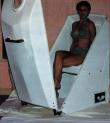
A fever is the body's highly evolved attempt to destroy invading organisms and to sweat impurities out through the skin Fever is an effective natural process of curing disease and restoring health, heat therapy, or hyperthermia, represents a way to create fever to call out his natural healing process.

Heat Therapy
The Secret of Hyperthermia, or heat therapy, is that cancer cells are vulnerable to high temperatures. Heat the cancer cells and they can be easily destroyed, especially if the tumor lies close to the skin surface. In the process, patients can reduce or even eliminate the need for radiation.

The Principle
The principle behind hyperthermia is simple: heat cancer cells and they can be killed easily. Direct killing of cancer cells begin to occur when the cancerous tissue reaches about 104 F to 105.8F. Only a relatively small rise in body temperature can make a huge difference says Dr. R Atkins who includes heat therapy in his cancer protocols.

Unlike normal tissue, tumors have poor blood flow relative to their metabolic needs and cannot dissipate the heat, so they tend to get hotter than the surrounding area. Rapidly dividing cells (i.e., cancer cells) are more vulnerable to the effects of heat. Normally, part of the damage caused by radiation is repaired by the cancer cells, enabling some to survive; however, heat foils this self-repair ability. Taken together, these facts tend to make tumors more vulnerable to heat treatment than normal cells. Hyperthermia is now approved in the U.S. for treatment of breast cancer recurrence.

Detoxification
Practitioners of alternative medicine have long recognized hyperthermia as a useful technique in detoxification therapy because it releases toxins stored in fat cells. Hyperhtermia can be used to remove fat-stored chemicals such as pesticides, PCBs, and drug residues from the body. Only recently ha conventional medicine caught up with this practice and begun to incorporate hypertheria in the orthodox treatment protocols for cancer.

more info at:
http://www.dreddyclinic.com/integrated_med/ozone_oxygen.htm

Wednesday, September 13, 2006

Exercise May Help Breast Cancer Patients Survive

(HealthDay News) -- Women who are physically active in the year before they receive a diagnosis of breast cancer are more likely to survive the disease, a new study finds.

"We found a beneficial effect on survival for exercise undertaken in the year before diagnosis, particularly among women who were overweight or obese near the time they were diagnosed with breast cancer," said study author Page Abrahamson, a postdoctoral researcher at the Fred Hutchinson Cancer Research Center in Seattle.

Abrahamson led the research while at the University of North Carolina, Chapel Hill.
The study is published in the Oct. 15 issue of Cancer.

In the study, Abrahamson's team analyzed data on nearly 1,300 women ages 20 to 54 who were diagnosed with invasive breast cancer between 1990 and 1992. They asked the women about their average frequency of moderate and vigorous physical activity when they were age 13, 20 and during the year before their diagnosis.

An abundance of regular exercise before diagnosis was associated with improved disease outcomes. The association was particularly strong for women with a body mass index (BMI) of more than 25 -- the statistical threshold for overweight -- who also reported the highest levels of physical activity in the one year before their diagnosis. (For reference, a woman 5 feet 5 inches tall who weighs 150 pounds has a BMI of 25.)

Overall, women with rated in the highest 25 percent, in terms of their level of activity, were 21 percent more likely to survive than those rated in the bottom quarter. The benefits for women with BMIs above 25 who had high levels of activity rose; they were 30 percent less likely to die than those with BMIs above 25 who engaged in low levels of activity.

Activity in the teen years or early adulthood did not have an impact on survival, the researchers said.

"We were not able to evaluate detailed, long-term exercise," Abrahamson said. "However, exercise levels in the year before diagnosis is likely an indicator of a person's average adult exercise patterns."

While much other research has suggested that exercising regularly reduces the risk of getting breast and other cancers, less is known about what effect activity has on a woman's prognosis if and when she gets breast cancer.

One previous study found a beneficial effect of exercise for both ideal-weight women and overweight women diagnosed with breast cancer, Abrahamson pointed out.

Exactly why this study did not show much benefit for normal-weight women isn't known, she said. "This is difficult to explain. It is possible that our finding is a fluke and that improved survival would apply to all women with breast cancer."

Another theory revolves around weight-linked differences in circulating estrogen.
Exercise is known to lower estrogen levels, Abrahamson said. "Once women receive radiation or chemotherapy after diagnosis, they no longer produce hormones from their ovaries. Therefore, lower-weight women wouldn't necessarily gain extra benefit from exercise," she said.

"However, for overweight women, they are still getting hormones from their excess fat tissue and are at a higher risk of dying. It is possible that overweight women who are exercising are lowering their hormone levels through exercise and increasing their odds of surviving," the Seattle researcher said. "Previous studies have shown exercise to significantly decrease estrogen levels in overweight women."

"This study adds another piece to the puzzle," said Alpa Patel, director of the Cancer Prevention Study-3 for the American Cancer Society, in Atlanta. "We know that lifelong physical activity reduces the risk of breast cancer, and some studies show even initiating the exercise in adulthood [reduces risk]."

Now, she added, this study shows that physical activity before a diagnosis of breast cancer may help women survive.

Another expert said the study does have its flaws.

Leslie Bernstein, professor and chair of cancer research at the University of Southern California's Keck School of Medicine, said "the study suffers from the problem that the activity refers to only activity prior to diagnosis of beast cancer," she said, rather than lifetime activity.
"When we looked at this same issue in a similar design, but with measures of activity across the lifespan up to the date of diagnosis, we saw no impact of exercise activity on the risk of dying or overall mortality."

Still, Bernstein said exercise certainly can't hurt, and may help.

"I would recommend that women with breast cancer begin to participate in an exercise program, one that is carefully considered by their physicians, considering any [other diseases] they might have," she said

In the same issue of the journal, U.S. researchers say they've developed a screening method that spots patients at risk for hereditary breast cancer.

Called PAT, for "pedigree assessment tool," it was designed by physicians at the OSF Saint Anthony Center for Cancer Care in Rockford, Ill. PAT is meant to be used by general-practice physicians. It collects data about family history and other information, then totals the score, with a score of 8 or more indicating a heightened risk for breast cancer.

More information
To learn more about breast cancer, visit the American Cancer Society.

Thursday, September 07, 2006

Protein Predicts Lung Cancer's Response to Treatment

(HealthDay News) -- Levels of a protein linked to cellular DNA repair can predict how well non-small-cell lung cancer patients will respond to cisplatin, a common chemotherapy.

So concludes a French study published in the Sept. 7 New England Journal of Medicine.
Patients with low levels of the protein marker, called ERCC1, "will have a very significant level of benefit from adjuvant cisplatin-based chemotherapy," said lead researcher Dr. Jean-Charles Soria, from the Department of Medicine, Institute Gustave Roussy, Villejuif.

Cisplatin is a standard component of chemotherapy for lung and other cancers; however, not everyone benefits from the drug. This new study suggests that screening for levels of the ERCC1 protein in lung biopsies can help doctors determine who will benefit from the treatment and who will not.

According to the American Cancer Society, lung cancer accounts for 13 percent of all new cancers and is the leading cancer killer of American men and women. Non-small cell cancers comprise 85 percent of the nearly 175,000 new cases of lung cancer diagnosed in the United States each year.
In their study, Soria's group looked at 761 lung cancer tumors. Of these, 44 percent had high levels of ERCC1, and 56 percent had low levels of the protein.

They found that patients who had low levels of ERCC1 benefited from cisplatin treatment, which helped extend life for these patients.

However, this was not the case among patients with high levels of ERCC1.
These patients "do not derive benefit from adjuvant chemotherapy, and if not treated, they do have a better 'spontaneous' prognosis than those who are ERCC1-negative," Soria said.

The French researcher believes that ERCC1 screening could spot those most likely to benefit from cisplatin treatment. "In our study, ERCC1 expression was evaluated by means of immunohistochemistry" of tissues in the laboratory, he said. "This is a simple technique, reliable, cheap and widely applicable," he added.

Screening patients might also help determine individual reaction to treatment, he added. "The goal of providing individualized chemotherapy based on different genetic traits, such as polymorphisms, gene mutations, and overexpression of drug target proteins, is on the verge of becoming clinical practice for the benefit of cancer patients," Soria said.

Two other experts agreed that ERCC1 screening should become part of a standard assessment of how patients might react to platinum-based chemotherapy, such as cisplatin.

"In my view, it's time to begin to think about whether or not we should begin to use this information to screen patients," said Dr. Eddie Reed, the director of the Division of Cancer Prevention and Control at the U.S. Centers for Disease Control and Prevention, and the author of an accompanying journal editorial.

Reed believes that ERCC1 screening for other cancer where cisplatin is commonly used -- such as ovarian and colorectal cancer -- needs to be examined, as well. "It's time to consider whether or not we should use this strategy," he said.

Dr. Norman Edelman, chief medical officer for the American Lung Association, agreed.
ERCC1 screening "is something that could save a substantial number of patients a substantial amount of discomfort," he said.

More information
Find out more about lung cancer at the American Cancer Society.

Monday, July 17, 2006

Chilling out in Chiang Mai

Published on May 15, 2004
The Northern capital boasts a wealth of spas, all geared to treating stressed minds and abused bodiesChiang Mai spas are a modern take on an old concept, where modern seekers of good health, fitness and beauty immerse themselves in hot tubs much as how the ancients did.

The oldest known spa dates back 5,000 years to Merino, Italy and it’s believed that Egyptians used mineral baths for therapeutic practices during the same era. Most early spas were located near natural hot springs, but in 600 BC water in rustic cauldrons was heated by sizzling hot stones.Later, the Greeks discovered hydrotherapy for ailments such as jaundice and rheumatism, and more than 2,000 years ago the Romans introduced hot water to fun and decadence.

The Roman thermae was an elaborate technology of aqueduct systems carrying mineral waters throughout complex private chambers, steam rooms and public baths. In an effort to outdo their predecessors, each emperor would increase the size and extravagance of their spa, with the Diocletian capable of holding 6,000 bathers.The thermae or spa has since spread to resorts around the world offering sport, refreshment and therapeutic facilities. But they vanished with the fall of the Roman Empire and, apart from a brief revival during the Middle Ages, the concept was lost until its modern resurrection.Today’s spas have been updated to treat the stressed minds and abused bodies of modern humans. “It’s mainly a matter of education,” says Chitra Klanprayoon, co-owner of Chiang Mai’s Ban Sabai Spa Village.“

Greater knowledge of oneself might bring on a need to change, shed a few kilos, detoxify the body, relax the mind, and that’s where the modern spa comes in. We can provide a mixture of holistic and contemporary treatment, with some wellness spas seeking medical evaluations by physicians before giving prescriptions and advice on treatment,” adds fellow co-owner Matthias Froelich.Chiang Mai has a perfect environment for rejuvenation, with Lanna culture being a vital ingredient. Lanna – meaning “Land of One Million Rice Fields” – holds with traditions of tranquillity, politeness and living with nature and forms a philosophical base for spas in northern Thailand.

Natural surroundings, such as the mountainous landscape, hot springs, herbs and organic products also play a large part in this ideal setting for disease prevention, recuperation, comfort for the terminally ill or simply a place where one can be pampered.In the past eight years, many spas have developed in the Chiang Mai area, and 20 of them belong to the Thai Lanna Spa Association, of which Chitra Klanprayoon is president.“This organisation is essential,” she says.

“The word spa is being used for a greater variety of services these days and the public must be assured of what association members have to offer. Our spas can guarantee high quality and effective therapy from qualified doctors and staff, and we must not be confused with night-time entertainment places.”The association proudly took part in the first World Congress of Holistic Medicine, held in Chiang Mai last month. Supported by the World Health Organisation, Thai Ministry of Public Health, the event was seen as a major step toward the region’s endeavour to become a regional centre for medical and therapeutic care.

Apart from 50 presentation booths, lecturers and delegates attended from more than 20 different counties.The gathering also revealed the remarkable diversity of spas, and how many spas succeed by concentrating on specific therapies and themes.The Ban Sabai Spa Village, for example, specialises in detoxification courses for colon irrigation, life management, dietary advice, weight loss and fasting. Set in lush tropical gardens a few minutes from downtown Chiang Mai, guests are invited to drown their troubles in the swimming pool or salt flotation tank.

There is a range of single remedies and mixed therapy packages to tone up the body and evaporate stress including steam baths and assorted massages. Aromatherapy can help to achieve meditation and the beauty conscious can treat themselves to a manicure, pedicure and body wax. Prices range from Bt450 for a single therapy to Bt5,500 for the six-hour Jasmine Spa Package.Day visitors are welcome and for guests staying over, luxurious Lanna style villas are available at Bt4,800 per night. Each one contains a whirlpool, steam room, sauna and outdoor bathroom with aromatic plants. Standard rooms in similar design are Bt2,700.Ban Sabai Spa Village is an ideal place to improve your mental and physical condition or simply be thoroughly spoiled.For seekers of spiritual enlightenment, there’s the Tao Garden Health Spa, beautifully situated in a mountainous area 30 kilometres north of Chiang Mai

.Paths wind their way though more than 30 hectares of shrub lands shrouded by trees and lead to the Immortal and Lao Tzu’s Meditation Halls, and the Ba Shen Memorial Hall for Tai Chi, Tao Yin and Chi Nei Tsang activities. A swimming pool and gym are nearby.The body cleansing programmes here follow a Taoist or Chinese regimen supported by modern medicine and the spa is especially pleased with its Karsai Nei Tsang genital massage for both sexes. This manipulation of the sexual organs may help alleviate impotency, frequent and difficult urination, painful menstruation and intercourse, and low libido.

Chi Nei Tsang is a stomach massage, but one designed to soothe both body and mind. Stress and worry move from the brain to create physical obstructions in the tummy. This therapy not only clears out toxins and smoothes knotted intestines, but also provides spiritual well-being.Sitting in the Dark Room is a departure from the physical. Totally devoid of light or sound, this method of detachment, meditation and discovery of one’s inner self is endured by some for as long as three weeks, while others might start screaming shortly after the light goes out.Individual spa treatments start at Bt300, and there are inexpensive beauty preparations. One- to seven-day packages range from Bt1,900 to Bt32,300, without accommodation, which is priced from Bt3,200 to Bt5,300 and includes use of facilities.Some spa goers prefer vigorous sport to blissful tranquillity, and that’s where the Northern Heritage Resort & Spa comes in.

Located 25 kilometres east of Chiang Mai Airport and surrounded by forested mountains, one can jump out of the jacuzzi and straight onto the first tee of the challenging Chiang Mai – Lamphun Golf Club. And if 18 holes on this magnificent championship course aren’t enough there’s cycling, trekking, pool, snooker, tennis and karaoke.Five spa pavilions – spread around the swimming pool – are waiting to rejuvenate worn out bikers, adventurers and foot sloggers with a large selection of therapies. The athlete’s rejuvenation course costs Bt6,200 and a sport massage is Bt2,500.For those who might have overdone things, an in-house medical centre is linked to Chiang Mai Ram Hospital.Back in the spa, one can experience the benefits of soaking in Dead Sea minerals for Bt8,000. Or how about a bath in red wine for Bt7,400? There are many packages, and prices can be found on the resort’s website. Luxury rooms and suites in a hotel environment go from Bt3,500 to Bt10,500 per night and log cabins cost up to Bt12,000. There are special rates for long term guests.

The Chiangmai Oasis Spa has adopted the Roman concept of unadulterated pleasure. After negotiating the stepping stones in the fish pond and soaking up the warm greeting at reception, it’s easy to forget that you’re bang in the middle of town.Escape the rigours of modern living. Slip out of the office to a haven of fragrant flowers and fountains and into a relaxing steam room. Or watch your troubles float away in the bubbles from the bath. The Oasis is a place to be pampered by therapists trained to take care of your every need.

At the two villas you’ll find steam rooms, private gardens, and alfresco showers and jacuzzis. Once settled into this perfect setting, there is an exciting menu of treatments to ponder.This day spa provides many individual therapies and six packages, and the proprietors are particularly proud of their Tibetan style “hands on” foot massage.

Massages range from Bt550 to Bt2,500 and most of the scrubs, wraps, facials and hydrotherapy cost less than Bt1,000. Packages start at Bt1,900. Or lash out Bt5,400 for a fully gratifying four hour Oasis Experience.So for the body pampering, health conscious, sporty and decadent – when in Chiang Mai, do as the Romans did.
Bob Kimmins

The Nation


Weight Loss Plan Kit

Weight Loss Plan Kit

$172.80
[ learn more ]

Add to Cart

Includes: Oxy-Powder, Slimirex (180 Count), Weight Loss Secrets Revealed, Ten Super Secrets for Weight Loss

Sunday, July 16, 2006

Definitions of types of complementary and alternative therapies

Definitions of types of complementary and alternative therapies
Here is a definition of the types of the most common complementary and alternative therapies

Acupuncture
("AK-yoo-pungk-cher") is a method of healing developed in China at least 2,000 years ago. Today, acupuncture describes a family of procedures involving stimulation of anatomical points on the body by a variety of techniques. American practices of acupuncture incorporate medical traditions from China, Japan, Korea, and other countries. The acupuncture technique that has been most studied scientifically involves penetrating the skin with thin, solid, metallic needles that are manipulated by the hands or by electrical stimulation.

Aromatherapy
("ah-roam-uh-THER-ah-py"): involves the use of essential oils (extracts or essences) from flowers, herbs, and trees to promote health and well-being. >

Ayurveda
("ah-yur-VAY-dah") is a CAM alternative medical system that has been practiced primarily in the Indian subcontinent for 5,000 years. Ayurveda includes diet and herbal remedies and emphasizes the use of body, mind, and spirit in disease prevention and treatment.

Chiropractic
("kie-roh-PRAC-tic") is a CAM alternative medical system. It focuses on the relationship between bodily structure (primarily that of the spine) and function, and how that relationship affects the preservation and restoration of health. Chiropractors use manipulative therapy as an integral treatment tool. Dietary supplements. Congress defined the term "dietary supplement" in the Dietary Supplement Health and Education Act (DSHEA) of 1994. A dietary supplement is a product (other than tobacco) taken by mouth that contains a "dietary ingredient" intended to supplement the diet. Dietary ingredients may include vitamins, minerals, herbs or other botanicals, amino acids, and substances such as enzymes, organ tissues, and metabolites. Dietary supplements come in many forms, including extracts, concentrates, tablets, capsules, gel caps, liquids, and powders. They have special requirements for labeling. Under DSHEA, dietary supplements are considered foods, not drugs.

Electromagnetic fields
(EMFs, also called electric and magnetic fields) are invisible lines of force that surround all electrical devices. The Earth also produces EMFs; electric fields are produced when there is thunderstorm activity, and magnetic fields are believed to be produced by electric currents flowing at the Earth's core.

Homeopathic
("home-ee-oh-PATH-ic") medicine is a CAM alternative medical system. In homeopathic medicine, there is a belief that "like cures like," meaning that small, highly diluted quantities of medicinal substances are given to cure symptoms, when the same substances given at higher or more concentrated doses would actually cause those symptoms.

Massage
("muh-SAHJ") therapists manipulate muscle and connective tissue to enhance function of those tissues and promote relaxation and well-being.

Naturopathic
("nay-chur-o-PATH-ic") medicine, or naturopathy, is a CAM alternative medical system. Naturopathic medicine proposes that there is a healing power in the body that establishes, maintains, and restores health. Practitioners work with the patient with a goal of supporting this power, through treatments such as nutrition and lifestyle counseling, dietary supplements, medicinal plants, exercise, homeopathy, and treatments from traditional Chinese medicine.

Osteopathic
("ahs-tee-oh-PATH-ic") medicine is a form of conventional medicine that, in part, emphasizes diseases arising in the musculoskeletal system. There is an underlying belief that all of the body's systems work together, and disturbances in one system may affect function elsewhere in the body. Some osteopathic physicians practice osteopathic manipulation, a full-body system of hands-on techniques to alleviate pain, restore function, and promote health and well-being.

Qi gong
("chee-GUNG") is a component of traditional Chinese medicine that combines movement, meditation, and regulation of breathing to enhance the flow of qi (an ancient term given to what is believed to be vital energy) in the body, improve blood circulation, and enhance immune function.

Reiki
("RAY-kee") is a Japanese word representing Universal Life Energy. Reiki is based on the belief that when spiritual energy is channeled through a Reiki practitioner, the patient's spirit is healed, which in turn heals the physical body.Therapeutic TouchThis is derived from an ancient technique called laying-on of hands. It is based on the premise that it is the healing force of the therapist that affects the patient's recovery; healing is promoted when the body's energies are in balance; and, by passing their hands over the patient, healers can identify energy imbalances.

Traditional Chinese medicine (TCM)
This is the current name for an ancient system of health care from China. TCM is based on a concept of balanced qi (pronounced "chee"), or vital energy, that is believed to flow throughout the body. Qi is proposed to regulate a person's spiritual, emotional, mental, and physical balance and to be influenced by the opposing forces of yin (negative energy) and yang (positive energy). Disease is proposed to result from the flow of qi being disrupted and yin and yang becoming imbalanced. Among the components of TCM are herbal and nutritional therapy, restorative physical exercises, meditation, acupuncture, and remedial massage.

NCCAM, National Institutes of Health
Bethesda, Maryland 20892 USA
E-mail: info@nccam.nih.gov

Monday, July 10, 2006

U.S. Panel Endorses Cervical Cancer Vaccine for Girls

THURSDAY, June 29 (HealthDay News) -- A U.S. advisory panel recommended Thursday that 11- and 12-year-old girls be routinely vaccinated against the virus that causes cervical cancer.

The National Advisory Committee on Immunization Practices also recommended that the vaccine, called Gardasil, be administered to girls as young as 9, at the provider's discretion, and for women up to age 26 who have not previously been vaccinated against the sexually transmitted human papillomavirus (HPV).

"The Advisory Committee on Immunization Practices made a historic vote today to recommend routine use of HPV vaccine for girls aged 11 to 12," Dr. Anne Schuchat, director of the National Center for Immunizations and Respiratory Diseases at the U.S. Centers for Disease Control and Prevention, said at a Thursday news conference. "It's a very important day -- a breakthrough for women's health."

Some religious conservatives and other critics have expressed concern that giving the vaccine to children could encourage underage sex. But, according to Schuchat, no controversy arose at the panel's recent public meetings.

The panel's recommendation was hailed by health experts.

"It's a wonderful thing. It's good news all around," said Dr. Connie L. Trimble, associate professor of gynecology and obstetrics and pathology at Johns Hopkins' Sidney Kimmel Comprehensive Cancer Center, in Baltimore. Trimble is working on a therapeutic vaccine for people already infected with the virus.

The advisory committee also recommended that the vaccine be included in the Vaccines for Children Program, which provides free vaccines for children up to age 18 who are eligible for Medicaid, are uninsured or are Native American or Alaskan Native.

The recommendations will be passed along to the head of the CDC and to the U.S. Department of Health and Human Services for review, and are expected to be accepted.

Gardasil, manufactured by Merck & Co., is the first vaccine to protect against HPV, known to cause most cervical cancers.

The U.S. Food and Drug Administration approved Gardasil earlier this month for girls and women aged 9 to 26. An FDA advisory panel had signed off on the vaccine in May.

Cervical cancer is the second most common malignant disease in women globally, causing an estimated 290,000 deaths worldwide each year. In the United States, some 10,400 new cases will be diagnosed this year, and 3,700 women will die from the disease.

The main cause of cervical cancer is continuous infection with HPV, especially HPV 16 and 18, which are spread by sexual contact. The virus also causes precancerous and benign cervical lesions and genital warts, and may be implicated in some anal and oral cancers. An estimated 20 million men and women in the United States are infected with HPV but, for most, the virus shows no symptoms and goes away on its own.

In a two-year study involving more than 12,000 women, Gardasil was found to be 100 percent effective against four types of human papillomavirus: 16 and 18, which are responsible for about 70 percent of cervical cancer cases, and 6 and 11, which cause 90 percent of genital wart cases.
Merck has said the vaccine has the potential to reduce the annual number of new cervical cancer cases around the world from 500,000 to about 150,000, and cut deaths by more than two-thirds, to about 90,000.

At the annual meeting of the American Society of Clinical Oncology earlier this month in Atlanta, scientists reported that the Gardasil vaccine was also 100 percent effective against vulvar and vaginal precancerous lesions caused by HPV types 16 and 18.

Like many other vaccinations, Gardasil will require three shots over six months. Even with the vaccine, women would still need to be screened for cervical cancer caused by other types of HPV, experts noted. This is most often accomplished by having a Pap test, which is still a very accurate indicator of a woman's cervical condition.

In fact, Schuchat stressed, the vaccine "will not replace other prevention strategies, such as cervical cancer screening for women or protective sexual behaviors. Women should continue to get Pap tests as a safeguard against cervical cancer."

It's unclear whether insurance providers will pay for the cost of the vaccine -- estimated to be $120 -- for children not covered under the Vaccines for Children Program.

"We are hopeful that managed care will pick this up," Schuchat said. "Working on ensuring access is very important."

More information
Visit the National Immunization Program for more on childhood immunizations.

Monday, July 03, 2006

Ozone (O3) is produced by the reaction of oxygen atoms (O) with molecular oxygen (O2)- This allotrope (different form) of oxygen possesses

Ozone (O3) is produced by the reaction of oxygen atoms (O) with molecular oxygen (O2)- This allotrope (different form) of oxygen possesses unique properties that, while they have yet to be completely defined and understood, have been benefiting clinical practice for years, albeit mostly in Europe. Most of the states in this country have yet to legalize use of the healing powers of this nontoxic molecule.Of course lack of official acknowledgment within certain political boundaries in no way negates the properties of any natural substance, and that includes ozone.

As a molecule containing an excess of energy, ozone manifests bactericidal, virucidal, and fungicidal action, which may make it a treatment of choice under certain conditions and an adjunct to treatment in others. Some of its characteristics and applications are described by Dr. Stanley Beyerle, a naturopathic physician who trained with some of the pioneers of ozone research and treatment:"Systematically, it oxidizes organic compounds. Topically, it can be used to treat burns.

Ozone has hemostatic effects that stop bleeding. It accelerates wound healing, induces enzyme production, and activates immune system response. It is also believed that ozone may have the ability to peroxides lipids [break up fats]."

Sunday, June 25, 2006

Integrated Medicine is the best of both worlds.

Integrated Medicine is the best of both worlds. It answers the question of, "Should I spend my money to see a conventional doctor or a naturopathic doctor?"

Integrated Medicine is both; its physicians who practice both traditional and alternative medicine. With Integrated Medicine you get a doctor that is concerned with the whole person (diet & lifestyle, mental well being, prevention of disease, and overall balance and harmony) while using the latest scientific advances. Integrated Medicine is known to have a person-centered approach, which emphasizes understanding and caring. There have been grants given by congress to the Office of Alternative Medicine (OAM) for further research into Integrated Medicine. These grants have been dispersed to major universities such as, Harvard Medical School, Columbia University, and Stanford University. Also, there have been meetings with the researchers and insurance companies like Blue Cross & Blue Shield regarding Integrated Medicine and its cost effectiveness. Integrated Medicine, focusing on changing lifestyle to promote ultimate health, would cut costs.

Saturday, May 27, 2006

Aching with Arthritis?

Aching with Arthritis?
Provided by: DrWeil.com

Q: What is polyarthritis, and what tests are needed to diagnose it? -- Anonymous

A: Polyarthritis means inflammation of more than one joint and is most often associated with rheumatoid arthritis, an autoimmune disease (one that occurs when the immune system mistakenly attacks the body's own tissues). Polyarthritis is also associated with lupus, polymyalgia rheumatica, and sarcoidosis. All of these autoimmune disorders can be triggered by infection, tissue injury, or emotional trauma in people who are genetically predisposed to these conditions.

Polyarthritis, as well as its underlying cause, can be diagnosed by physical exam (the affected joints are swollen, stiff, painful or tender, and may feel warm and appear reddened) as well as by a variety of blood tests. These would include a measure of your erythocyte sedimentation rate (sed rate).

A high sed rate suggests the presence of acute inflammation and occurs with rheumatoid arthritis and other immune-mediated connective tissue diseases such as lupus. Conventional medicine treats autoimmune diseases including rheumatoid arthritis with steroids and other immunosuppressive medications, most of which are toxic when used long-term.

Patients dependent on these strong drugs are less likely to respond to natural treatments, which can moderate autoimmunity and help control symptoms.

Here are my recommendations:
Follow a low-protein, high-carbohydrate diet; minimize consumption of foods of animal origin.
Eliminate milk and milk products including commercial foods made with milk.

Avoid polyunsaturated vegetable oils, margarine, vegetable shortening and products made with partially hydrogenated oils of any kind.

Increase your intake of omega-3 fatty acids (eat more cold water fish, walnuts or freshly ground flaxseeds). Consider taking a fish oil supplement to help keep your protein intake low.
Eliminate or reduce intake of coffee and tobacco - both have been linked to an increased risk for rheumatoid arthritis.

Get regular aerobic exercise (swimming is best for those with rheumatoid arthritis).
Practice relaxation techniques. In addition, visualization can help moderate autoimmune responses, and psychotherapy can help alter emotional states that keep the immune system off balance.
Try hypnotherapy or guided imagery. Look for a therapist willing to take on an autoimmune disease. Meditation and yoga can help, too.

Avoid health care practitioners who make you feel pessimistic about your condition.
Take aspirin and other over-the-counter anti-inflammatory drugs to help relieve symptoms.
Take the anti-inflammatory herbs ginger and turmeric. I recommend Zyflamend, made by New Chapter Company, which includes both. You can safely take these herbs indefinitely.
Andrew Weil, MD

Combating Cravings?

Combating Cravings?
Provided by: DrWeil.com

Q: I've been able to give up meat, dairy, even smoking cigarettes, but sugar is the one that gets away. What can I do to curb my cravings? Why do some people have a sweet tooth and others don't? -- Connie A: I don't know why some people have a sweet tooth while others can resist sugary snacks. Part of the problem may be that sweets are often given to us as treats when we're young, developing our taste for sugar and associating sweets with rewards. In some people, sugar has an effect on mood, which is another factor that may underlie cravings. Eating sweets can increase levels of the neurotransmitter serotonin, which can help you relax, suggesting that some cravings are stress-related. In fact, researchers at the University of California, San Francisco, reported in 2003 that chronic stress may explain why some people crave comfort foods. In studies with rats, the researchers found that chronic stress prompted the animals to engage in pleasure-seeking activities, including eating high-energy foods (in the rats' case, sucrose and lard). The study was published in the Sept. 30, 2003 issue of the Proceedings of the National Academy of Sciences.
You can try a number of different strategies to try to overcome your sugar craving:
Try to satisfy your cravings with fruits that falls low on the glycemic index (berries, cherries, apples, pears), which are healthier than other sources of sugar and give you the added benefit of fiber.
Experiment with the Chinese strategy of eating more bitter foods to balance your craving for sweets (curly endive, radicchio, cooked greens, some olives, etc.)
Try the Ayurvedic herb gurmar (Gymnema sylvestre). Known as the "destroyer of sugar" gurmar is reputed to slow both the absorption of sugar into the blood stream and the conversion of sugar into fat. It also may help curb your appetite for sweets.
Working with a hypnotherapist in an effort to reduce your sugar cravings might be helpful.
Practice breathing techniques, progressive relaxation and exercise as a means of reducing the chronic stress that may underlie your cravings.
Andrew Weil, MD

Friday, March 31, 2006

C-Section Rates Growing in America

The number of Caesarian births climbed to a record high 29 percent in America in 2004, fueled in part by mothers who prefer to deliver their babies that way, even when they don't need to. In fact, limited information suggests the number of women requesting C-sections versus natural childbirth is growing, due to fear of complications or the desire for control, according to an independent panel overseen by the National Institutes of Health.

Even though the panel did recommend that women who wanted to bear several children not to have C-sections, they refused to discourage their routine practice altogether. That lukewarm reaction has spurred great concern among experts, me included, who believe mothers will opt for C-sections regardless of need or safety.

Dig deeper into the report (free PDF below), however, and you'll learn Caesarians aren't for every woman, says the chief of the National Institute of Child Health and Human Development and a panel co-sponsor.

C-section babies miss out on a great many things, including the natural stimulation that comes from moving down the birth canal and the hormones released during a vaginal birth.

Although there are situations that call for a C-section, there's many things an expecting mother can do to minimize her need for one:

Eat a healthy diet based on your body's unique metabolic type, chock full of raw, unprocessed foods.
Take a high quality fish or cod liver oil daily.
Consider hiring a midwife or doula.

USA Today March 30, 2006
NIH Consensus Development Program March 29, 2006 Free PDF Report
MSNBC March 27, 2006

more info at: http://www.dreddyclinic.com/

Balancing Your Hormones Without Drugs... You Can Feel Good Again

Balancing Your Hormones Without Drugs... You Can Feel Good Again

$19.95
[ learn more ]

Add to Cart

Hormone imbalance can be reversed! Look and feel better than ever, just take the time to learn about yourself and read the information contained in this just released e-book about reversing hormone imbalance. Are you ready to finally look and feel great? If so... read on... - E-Book Version.(BH)

Monday, February 06, 2006

Ozone: A Wide-Spectrum Healer

"I know a number of cases of individuals with T-cell counts that have been very low, but because of regular ozone therapy they have not gotten any opportunistic infections.

In fact, it's almost as though the ozone is taking the place of their immune system. Unfortunately, you often do not see rises in their T-cell counts, but you can see stabilization and a management as a chronic manageable illness.

It's my belief that the use of ozone in association with other complementary therapies can convert AIDS from a uniformly terminal illness to something that is chronically manageable, which is better than what anyone else can offer at this point." - -Dr. John Pittman

Many feel it to be the most promising, safe, and generally efficacious treatment for major degenerative diseases, from AIDS and chronic fatigue to cancer and arthritis.

It's ozone - - medical ozone. Medical ozone differs from atmospheric ozone in that it is pure and concentrated. This is an important distinction because atmospheric ozone, produced from ultraviolet radiation, is combined with different nitrous oxide and sulfur dioxide products and is harmful. It's not used in medical practice.

ClickComments

Balancing Your Hormones Without Drugs... You Can Feel Good Again

Balancing Your Hormones Without Drugs... You Can Feel Good Again

$19.95
[ learn more ]

Add to Cart

Hormone imbalance can be reversed! Look and feel better than ever, just take the time to learn about yourself and read the information contained in this just released e-book about reversing hormone imbalance. Are you ready to finally look and feel great? If so... read on... - E-Book Version.(BH)