 Complementary and Alternative Medicine for Children - Complementary and alternative medicine (CAM) is a group of diverse medical and health care systems, practices, and products that are not presently considered to be part of c...... Read more
Showing posts with label complementary. Show all posts
Showing posts with label complementary. Show all posts
Monday, December 29, 2008
Complementary and Alternative Medicine for Children
Complementary and Alternative Medicine for Children - Complementary and alternative medicine (CAM) is a group of diverse medical and health care systems, practices, and products that are not presently considered to be part of c...... Read more


Saturday, April 26, 2008
What is Fucoxanthin?
 From Cathy Wong,
Fucoxanthin is a type of carotenoid found naturally in edible brown seaweed such as wakame (Undaria pinnatifida) and hijiki (Hijikia fusiformis), which are used widely in Asian cuisine. Wakame is the seaweed used in miso soup.
Fucoxanthin is also found in much smaller amounts in red seaweed (the kind typically used in Japanese sushi rolls) and green seaweed.
Both wakame and hijiki are available at Japanese specialty food stores, some health food stores and online. Although brown seaweed is the richest source of fucoxanthin, you would have to eat an unrealistic amount of it daily to get fucoxanthin levels close to those used in research studies.
Fucoxanthin is also available as a nutritional supplement in capsule form and can be found in some health food stores and online.
Why Do People Use Fucoxanthin?
Weight Loss
Fucoxanthin is being explored for weight loss.
So far, only animal studies have been done. Japanese researchers have found that fucoxanthin (isolated from wakame) promotes the loss of abdominal fat in obese mice and rats. Animals lost five to 10% of their body weight.
Although it's not fully understood how fucoxanthin works, it appears to target a protein called UCP1 that increases the rate at which abdominal fat is burned. Abdominal fat, also called white adipose tissue, is the kind of fat that surrounds our organs and is linked to heart disease and diabetes. Fucoxanthin also appears to stimulate the production of DHA, one of the omega-3 fatty acids found in fatty fish such as salmon.
Although it's promising and already a popular nutritional supplement, more research is needed to determine if fucoxanthin will work in the same way in humans. If it does prove to be effective, fucoxanthin could be developed into a diet pill for obesity.
Diabetes
Fucoxanthin has also been found in animal studies to decrease insulin and blood glucose levels. Researchers hypothesize that fucoxanthin anti-diabetes effect may be because fucoxanthin appears to promote the formation of DHA (the omega-3 fatty acid found in fish oil). DHA is thought to increase insulin sensitivity, improve triglycerides and reduce LDL ("bad") cholesterol.
Cancer
Preliminary research in test tubes suggests that fucoxanthin may have anti-tumor effects. No studies have looked at whether this holds true in humans or if taken orally. It's far too early for fucoxanthin to be used as a complementary treatment for cancer.
Side Effects
Because there hasn't been research on fucoxanthin in humans, the possible side effects aren't known.
People shouldn't consume large amounts of wakame or other types of seaweed as a source of fucoxanthin. Seaweed is rich in iodine and excessive consumption may result in iodine poisoning. High levels of iodine can interfere with the function of the thyroid gland. Also, consuming excess amounts of iodine-rich foods isn't recommended if there is a known allergy or hypersensitivity to iodine.
Monday, March 03, 2008
Complementary and Alternative Medicine: Healthy Aging
Nearly half the US populations turns to complementary, alternative and integrative practices to maintain or improve their health. Join Dr. Donald Abrams as he explores how integrative medicine can ... (more)
Wednesday, September 20, 2006
Poor Sleep Contributes to Health Problems
 (HealthDay News) -- New studies are discovering just how vital sleep is to overall health.
So, sleep habits should become a standard part of a complete check-up, researchers say.
"There is increasing evidence that there is a very strong relationship between sleep quality and physical and mental health," said Dr. Phyllis C. Zee, a professor of neurology at Northwestern University's Feinberg School of Medicine.
"If you have poor health, that is associated with poor sleep. Also, if you have poor sleep, there is an association between that and poor health," Zee said. "What we don't have yet is the research to categorically say that if you improve sleep, you will improve conditions, such as diabetes or hypertension, or other medical conditions."
Still, physicians should be asking their patients about the quality and quantity of their sleep, Zee said. "Sleep should be another vital sign," she said.
Zee wrote an editorial in the Sept. 18 issue of the Archives of Internal Medicine, a special, themed issue on sleep and its relationship to overall health.
In one study, led by Richard L. Nahin, a senior advisor for scientific coordination and outreach at the U.S. National Center for Complementary and Alternative Medicine, looked at why people had trouble sleeping and how many were using alternative drugs to help them sleep.
Insomnia and trouble sleeping are most often associated with high blood pressure, heart failure, anxiety and depression, according to a national survey of 31,044 adults. "That's unusual. It had been most often thought that insomnia was quite prevalent on its own, but only 4 percent of the people who said they had insomnia said they had it without any of those conditions," Nahin said.
The researchers also found that 1.6 million Americans are using alternative therapies, such as melatonin to treat their insomnia. "That's quite high when you consider that there is very little reliable data on the efficacy and safety of using the products people are using," Nahin said.
These findings have implications for treating sleep problems, Nahin said.
"Instead of treating the insomnia itself, a health-care provider might be better off treating one of these comorbidities," he said. "In addition, a physician seeing a patient for insomnia should ask if the patient is using any alternative and complementary treatments, because they might upset the treatments the health-care provider wants to apply."
Another study found that people who have sleep-related breathing disorder -- marked by frequent pauses in breathing, labored breathing, or reduced breathing during the night -- were two to 2.6 times more likely to develop depression. Moreover, the odds of depression increased as breathing disorders became more severe, according to researcher Paul E. Peppard and colleagues from the University of Wisconsin.
And a study by French researchers found that people with allergic rhinitis, caused by hay fever and other allergies, have more difficulty sleeping and more sleep disorders than people without allergies. "The results show a significant impact of allergic rhinitis on all dimensions of sleep quality and, consequently, a lower quality of life as reflected by more somnolence [sleepiness]; daytime fatigue and sleepiness; and impaired memory, mood and sexuality, with a significantly increased consumption of alcohol and sedatives in cases compared with the control group," the study authors wrote.
One expert agrees that sleep problems shouldn't be ignored.
"If you think insomnia is an annoyance and merely something you should tough out, that may be a mistake," said Michael L. Perlis, director of the Sleep Research Laboratory at the University of Rochester, in New York. "It may lead you down the path to other morbidities. It would also be a mistake because it's treatable."
Other studies in the same journal issue found that:
· Fewer hours of sleep may contribute to poor health in young adults.
· Those in rural areas who sleep fewer hours appear to weigh more.
· The immune system may play a role in narcolepsy, a disorder characterized by an uncontrollable urge to sleep.
· The immune system may be affected by a lack of sleep that contributes to inflammation and a variety of diseases.
More information
The National Sleep Foundation can tell you more about getting a good night's sleep.
more discussion: Forum
· Addiction Forum · Ask the Doctors Forum · Ayurveda Forum · Ayurvedic & Thai Herbs Forum · Colon Cleansing Forum · Dental Forum · Diabetes Forum · Diet Forum · General Cleansing Forum · Hepatitis A, B. C Forum · Integrated Medicine Forum · Live Blood Analysis Forum · Ozone-Oxygen-Forum · pH - Alkaline - Acidity Forum · Weight Loss Forum
Weight Loss Ebook - Secrets Revealed - Revised Edition$19.95  This is not only a weight loss program, it is also a plan for "TOTAL HEALTH". If you want a quick fix (taking metabolism boosters, etc.), only to gain more weight when you stop, do not even consider this program. Our program is designed to change the way you think and live your life. Change is only a decision away. You can do this! If you are motivated, and truly care about taking care of your body, and you are willing to make changes in your life, then this program is for you! - E-Book Version.(WL) |
Sunday, July 16, 2006
Definitions of types of complementary and alternative therapies
Definitions of types of complementary and alternative therapies
Here is a definition of the types of the most common complementary and alternative therapies
Acupuncture
("AK-yoo-pungk-cher") is a method of healing developed in China at least 2,000 years ago. Today, acupuncture describes a family of procedures involving stimulation of anatomical points on the body by a variety of techniques. American practices of acupuncture incorporate medical traditions from China, Japan, Korea, and other countries. The acupuncture technique that has been most studied scientifically involves penetrating the skin with thin, solid, metallic needles that are manipulated by the hands or by electrical stimulation.
Aromatherapy
("ah-roam-uh-THER-ah-py"): involves the use of essential oils (extracts or essences) from flowers, herbs, and trees to promote health and well-being. >
Ayurveda
("ah-yur-VAY-dah") is a CAM alternative medical system that has been practiced primarily in the Indian subcontinent for 5,000 years. Ayurveda includes diet and herbal remedies and emphasizes the use of body, mind, and spirit in disease prevention and treatment.
Chiropractic
("kie-roh-PRAC-tic") is a CAM alternative medical system. It focuses on the relationship between bodily structure (primarily that of the spine) and function, and how that relationship affects the preservation and restoration of health. Chiropractors use manipulative therapy as an integral treatment tool. Dietary supplements. Congress defined the term "dietary supplement" in the Dietary Supplement Health and Education Act (DSHEA) of 1994. A dietary supplement is a product (other than tobacco) taken by mouth that contains a "dietary ingredient" intended to supplement the diet. Dietary ingredients may include vitamins, minerals, herbs or other botanicals, amino acids, and substances such as enzymes, organ tissues, and metabolites. Dietary supplements come in many forms, including extracts, concentrates, tablets, capsules, gel caps, liquids, and powders. They have special requirements for labeling. Under DSHEA, dietary supplements are considered foods, not drugs.
Electromagnetic fields
(EMFs, also called electric and magnetic fields) are invisible lines of force that surround all electrical devices. The Earth also produces EMFs; electric fields are produced when there is thunderstorm activity, and magnetic fields are believed to be produced by electric currents flowing at the Earth's core.
Homeopathic
("home-ee-oh-PATH-ic") medicine is a CAM alternative medical system. In homeopathic medicine, there is a belief that "like cures like," meaning that small, highly diluted quantities of medicinal substances are given to cure symptoms, when the same substances given at higher or more concentrated doses would actually cause those symptoms.
Massage
("muh-SAHJ") therapists manipulate muscle and connective tissue to enhance function of those tissues and promote relaxation and well-being.
Naturopathic
("nay-chur-o-PATH-ic") medicine, or naturopathy, is a CAM alternative medical system. Naturopathic medicine proposes that there is a healing power in the body that establishes, maintains, and restores health. Practitioners work with the patient with a goal of supporting this power, through treatments such as nutrition and lifestyle counseling, dietary supplements, medicinal plants, exercise, homeopathy, and treatments from traditional Chinese medicine.
Osteopathic
("ahs-tee-oh-PATH-ic") medicine is a form of conventional medicine that, in part, emphasizes diseases arising in the musculoskeletal system. There is an underlying belief that all of the body's systems work together, and disturbances in one system may affect function elsewhere in the body. Some osteopathic physicians practice osteopathic manipulation, a full-body system of hands-on techniques to alleviate pain, restore function, and promote health and well-being.
Qi gong
("chee-GUNG") is a component of traditional Chinese medicine that combines movement, meditation, and regulation of breathing to enhance the flow of qi (an ancient term given to what is believed to be vital energy) in the body, improve blood circulation, and enhance immune function.
Reiki
("RAY-kee") is a Japanese word representing Universal Life Energy. Reiki is based on the belief that when spiritual energy is channeled through a Reiki practitioner, the patient's spirit is healed, which in turn heals the physical body.Therapeutic TouchThis is derived from an ancient technique called laying-on of hands. It is based on the premise that it is the healing force of the therapist that affects the patient's recovery; healing is promoted when the body's energies are in balance; and, by passing their hands over the patient, healers can identify energy imbalances.
Traditional Chinese medicine (TCM)
This is the current name for an ancient system of health care from China. TCM is based on a concept of balanced qi (pronounced "chee"), or vital energy, that is believed to flow throughout the body. Qi is proposed to regulate a person's spiritual, emotional, mental, and physical balance and to be influenced by the opposing forces of yin (negative energy) and yang (positive energy). Disease is proposed to result from the flow of qi being disrupted and yin and yang becoming imbalanced. Among the components of TCM are herbal and nutritional therapy, restorative physical exercises, meditation, acupuncture, and remedial massage.
NCCAM, National Institutes of Health
Bethesda, Maryland 20892 USA
E-mail: info@nccam.nih.gov
Here is a definition of the types of the most common complementary and alternative therapies
Acupuncture
("AK-yoo-pungk-cher") is a method of healing developed in China at least 2,000 years ago. Today, acupuncture describes a family of procedures involving stimulation of anatomical points on the body by a variety of techniques. American practices of acupuncture incorporate medical traditions from China, Japan, Korea, and other countries. The acupuncture technique that has been most studied scientifically involves penetrating the skin with thin, solid, metallic needles that are manipulated by the hands or by electrical stimulation.
Aromatherapy
("ah-roam-uh-THER-ah-py"): involves the use of essential oils (extracts or essences) from flowers, herbs, and trees to promote health and well-being. >
Ayurveda
("ah-yur-VAY-dah") is a CAM alternative medical system that has been practiced primarily in the Indian subcontinent for 5,000 years. Ayurveda includes diet and herbal remedies and emphasizes the use of body, mind, and spirit in disease prevention and treatment.
Chiropractic
("kie-roh-PRAC-tic") is a CAM alternative medical system. It focuses on the relationship between bodily structure (primarily that of the spine) and function, and how that relationship affects the preservation and restoration of health. Chiropractors use manipulative therapy as an integral treatment tool. Dietary supplements. Congress defined the term "dietary supplement" in the Dietary Supplement Health and Education Act (DSHEA) of 1994. A dietary supplement is a product (other than tobacco) taken by mouth that contains a "dietary ingredient" intended to supplement the diet. Dietary ingredients may include vitamins, minerals, herbs or other botanicals, amino acids, and substances such as enzymes, organ tissues, and metabolites. Dietary supplements come in many forms, including extracts, concentrates, tablets, capsules, gel caps, liquids, and powders. They have special requirements for labeling. Under DSHEA, dietary supplements are considered foods, not drugs.
Electromagnetic fields
(EMFs, also called electric and magnetic fields) are invisible lines of force that surround all electrical devices. The Earth also produces EMFs; electric fields are produced when there is thunderstorm activity, and magnetic fields are believed to be produced by electric currents flowing at the Earth's core.
Homeopathic
("home-ee-oh-PATH-ic") medicine is a CAM alternative medical system. In homeopathic medicine, there is a belief that "like cures like," meaning that small, highly diluted quantities of medicinal substances are given to cure symptoms, when the same substances given at higher or more concentrated doses would actually cause those symptoms.
Massage
("muh-SAHJ") therapists manipulate muscle and connective tissue to enhance function of those tissues and promote relaxation and well-being.
Naturopathic
("nay-chur-o-PATH-ic") medicine, or naturopathy, is a CAM alternative medical system. Naturopathic medicine proposes that there is a healing power in the body that establishes, maintains, and restores health. Practitioners work with the patient with a goal of supporting this power, through treatments such as nutrition and lifestyle counseling, dietary supplements, medicinal plants, exercise, homeopathy, and treatments from traditional Chinese medicine.
Osteopathic
("ahs-tee-oh-PATH-ic") medicine is a form of conventional medicine that, in part, emphasizes diseases arising in the musculoskeletal system. There is an underlying belief that all of the body's systems work together, and disturbances in one system may affect function elsewhere in the body. Some osteopathic physicians practice osteopathic manipulation, a full-body system of hands-on techniques to alleviate pain, restore function, and promote health and well-being.
Qi gong
("chee-GUNG") is a component of traditional Chinese medicine that combines movement, meditation, and regulation of breathing to enhance the flow of qi (an ancient term given to what is believed to be vital energy) in the body, improve blood circulation, and enhance immune function.
Reiki
("RAY-kee") is a Japanese word representing Universal Life Energy. Reiki is based on the belief that when spiritual energy is channeled through a Reiki practitioner, the patient's spirit is healed, which in turn heals the physical body.Therapeutic TouchThis is derived from an ancient technique called laying-on of hands. It is based on the premise that it is the healing force of the therapist that affects the patient's recovery; healing is promoted when the body's energies are in balance; and, by passing their hands over the patient, healers can identify energy imbalances.
Traditional Chinese medicine (TCM)
This is the current name for an ancient system of health care from China. TCM is based on a concept of balanced qi (pronounced "chee"), or vital energy, that is believed to flow throughout the body. Qi is proposed to regulate a person's spiritual, emotional, mental, and physical balance and to be influenced by the opposing forces of yin (negative energy) and yang (positive energy). Disease is proposed to result from the flow of qi being disrupted and yin and yang becoming imbalanced. Among the components of TCM are herbal and nutritional therapy, restorative physical exercises, meditation, acupuncture, and remedial massage.
NCCAM, National Institutes of Health
Bethesda, Maryland 20892 USA
E-mail: info@nccam.nih.gov
Sunday, June 25, 2006
What questions should I ask a complementary/alternative medicine practitioner?
 For any treatment, we recommend that you ask the provider the following questions:
Can this treatment:
- Support the immune or other systems of the patient?
- Counteract the cancer?
- Enable the conventional treatment to work better?
- Relieve symptoms or side effects?
- What are the training and credentials of the provider?
- Does the provider believe in this treatment because he/she has seen benefits with similar patients?
- If so, would it be possible to speak to some of these patients?
- Have results of this treatment been published in any recognized medical journals?
- Can the provider give you any references published by others?
- What is the treatment?
- How will you know that the therapy is or is not working?
- Are there potential side effects?
- Is the provider willing to communicate with the patient’s primary care physician?
(*Adapted from recommended questions by the American Cancer Society and from the article, Recommendations to MDs on Counseling Patients’ Use of Alternative Medicine, by David Eisenberg. Annals of Internal Medicine, Vol. 127, No. 1, pp. 61-69.)
What treatments has the CIMER Web site reviewed?
What treatments has the CIMER Web site reviewed?
For a list of therapies reviewed by the M. D. Anderson Cancer Center CIMER Web site, go to Reviews of Therapies. Reviews of specific therapies may then be accessed by selecting the linked heading of each of the following sections:
For a list of therapies reviewed by the M. D. Anderson Cancer Center CIMER Web site, go to Reviews of Therapies. Reviews of specific therapies may then be accessed by selecting the linked heading of each of the following sections:
- Alternative Medical Systems
- Herbal/Plant Therapies
- Biologic/Organic/Pharmacologic
- Nutrition & Special Diets
- Manipulative & Body-Based Methods
- Mind-Body Approaches
- Energy Therapies
Are there any cautions or warnings about alternative therapies?
Yes! Some complementary agents or therapies may be useful for cancer patients; however, some may be harmful in certain situations. M. D. Anderson Cancer Center cautions patients to consult with their oncologist before attempting to use agents or therapies referenced on these pages. Inclusion of an agent, therapy or resource on this CIMER Web site does not imply endorsement by M. D. Anderson Cancer Center.
Can you refer me to a complementary/alternative medicine physician in my area?
The M. D. Anderson Cancer Center does not refer patients to physicians or practitioners of complementary/alternative therapies. A database of physicians who are knowledgeable about alternative therapies is maintained by the Commonweal Cancer Help Program in California (avilamimi@aol.com). These physicians are not promoted by Commonweal. Rather, they have been recommended by cancer patients, and Commonweal shares the reports from patients about these physicians.
Does M. D. Anderson Cancer Center have any programs in complementary medicine?
M. D. Anderson Cancer Center does have some programs involving complementary/integrative therapies. You may learn about these programs by going to Educational Programs & Events on the CIMER Web site or to the Place...of wellness.
Does M. D. Anderson have any information on clinical trials in complementary medicine?
Yes, you may find this information by going to Clinical Trials in Integrative Oncology. For a listing of all clinical trials at M. D. Anderson, you can return to the M. D. Anderson Cancer Center Home Page, select "Patients and Public" and then "Clinical Trials".
What types of complementary/integrative medicine programs does M. D. Anderson have available for patients?
To learn more about complementary/integrative medicine, you can visit the Web site for the Place...of wellness here at M. D. Anderson Cancer Center .
Te Place...of wellness was the first of its kind in a comprehensive cancer center, providing an environment where all people touched by cancer may enhance their lives through programs that complement medical care and focus on the healing abilities of the mind, body and spirit.
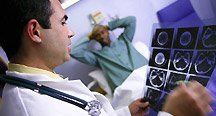 What complementary/integrative treatments are recommended for my cancer?
The M. D. Anderson Cancer Center Complementary/Integrative Medicine Education Resources (CIMER) Web site does not make recommendations of specific complementary/integrative treatments. Rather, this Web site was created to assist patients and health care professionals in deciding what types of complementary medicine might be integrated into a patient's conventional therapy.
Our intent is to provide evidence-based reviews of complementary therapies, some of which may be beneficial for some patients. These reviews include research studies that have been published in the medical literature. Some, but not all, of these studies have had conclusive results. For this reason, these therapies are not recommended for use without consulting your physician.
Friday, May 26, 2006
Turning off Cravings for Alcohol?
Turning off Cravings for Alcohol?
Provided by: DrWeil.com
Q: I read an article about a vitamin/pill that reduces cravings for alcohol. What can you tell me about it? -- Anonymous
A: If there were a vitamin or other pill that reliably decreased cravings for alcohol in everyone who needed help, the scientist who discovered the effect probably would win a Nobel Prize.
Over the years, a number of substances have been credited with reducing alcoholic cravings. A few may help some people, but none of them works for everyone:
B vitamins. Research has suggested that alcoholic cravings are due to a deficiency in B vitamins and that supplements may lessen the desire to drink. But these findings, most of which are more than 20 years old, haven't been substantiated over time. Still, because alcohol abuse does deplete B vitamins in general and thiamine in particular, I recommend taking a B-complex vitamin supplement plus extra thiamine (100 mgs).
L-glutamine: Research in both animals and humans suggests that this amino acid can reduce both cravings and the anxiety that accompanies alcohol withdrawal. The study in humans was done in 1957. Participants took either a placebo or one gram of L-glutamine in divided doses, with meals. Results were published in the Quarterly Journal of Studies on Alcohol.
Kudzu: Extracts from the root of this weed (pueraria lobata), which is pervasive and invasive in the southern United States, have been recommended as a treatment for alcoholic cravings.
Kudzu is widely used for this purpose by traditional practitioners in China, and some animal studies have shown that it decreases the desire for alcohol. Results of a pilot study in humans published in the February 2000 issue of the Journal of Alternative and Complementary Medicine showed that doses smaller than those used in the studies in China failed to help alcoholics abstain from drinking.
Naltrexone: This drug (brand names: ReVia, Depade) reduces the desire for alcohol after you stop drinking. Naltrexone works by blocking the parts of the brain that sense pleasure in response to alcohol. Unlike Antabuse (disulfiram), sometimes used to treat alcoholism, naltrexone doesn't make you sick if you drink alcohol while you're taking it. The drug usually is prescribed temporarily (for 12 weeks or more) to help recovering alcoholics deal with cravings after they've stopped drinking.
Provided by: DrWeil.com
Q: I read an article about a vitamin/pill that reduces cravings for alcohol. What can you tell me about it? -- Anonymous
A: If there were a vitamin or other pill that reliably decreased cravings for alcohol in everyone who needed help, the scientist who discovered the effect probably would win a Nobel Prize.
Over the years, a number of substances have been credited with reducing alcoholic cravings. A few may help some people, but none of them works for everyone:
B vitamins. Research has suggested that alcoholic cravings are due to a deficiency in B vitamins and that supplements may lessen the desire to drink. But these findings, most of which are more than 20 years old, haven't been substantiated over time. Still, because alcohol abuse does deplete B vitamins in general and thiamine in particular, I recommend taking a B-complex vitamin supplement plus extra thiamine (100 mgs).
L-glutamine: Research in both animals and humans suggests that this amino acid can reduce both cravings and the anxiety that accompanies alcohol withdrawal. The study in humans was done in 1957. Participants took either a placebo or one gram of L-glutamine in divided doses, with meals. Results were published in the Quarterly Journal of Studies on Alcohol.
Kudzu: Extracts from the root of this weed (pueraria lobata), which is pervasive and invasive in the southern United States, have been recommended as a treatment for alcoholic cravings.
Kudzu is widely used for this purpose by traditional practitioners in China, and some animal studies have shown that it decreases the desire for alcohol. Results of a pilot study in humans published in the February 2000 issue of the Journal of Alternative and Complementary Medicine showed that doses smaller than those used in the studies in China failed to help alcoholics abstain from drinking.
Naltrexone: This drug (brand names: ReVia, Depade) reduces the desire for alcohol after you stop drinking. Naltrexone works by blocking the parts of the brain that sense pleasure in response to alcohol. Unlike Antabuse (disulfiram), sometimes used to treat alcoholism, naltrexone doesn't make you sick if you drink alcohol while you're taking it. The drug usually is prescribed temporarily (for 12 weeks or more) to help recovering alcoholics deal with cravings after they've stopped drinking.
Monday, February 06, 2006
Ozone: A Wide-Spectrum Healer
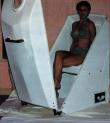 "I know a number of cases of individuals with T-cell counts that have been very low, but because of regular ozone therapy they have not gotten any opportunistic infections.
In fact, it's almost as though the ozone is taking the place of their immune system. Unfortunately, you often do not see rises in their T-cell counts, but you can see stabilization and a management as a chronic manageable illness.
It's my belief that the use of ozone in association with other complementary therapies can convert AIDS from a uniformly terminal illness to something that is chronically manageable, which is better than what anyone else can offer at this point." - -Dr. John Pittman
Many feel it to be the most promising, safe, and generally efficacious treatment for major degenerative diseases, from AIDS and chronic fatigue to cancer and arthritis.
It's ozone - - medical ozone. Medical ozone differs from atmospheric ozone in that it is pure and concentrated. This is an important distinction because atmospheric ozone, produced from ultraviolet radiation, is combined with different nitrous oxide and sulfur dioxide products and is harmful. It's not used in medical practice.
Tuesday, December 13, 2005
Middle-agers more likely to turn to alternative therapies
Sympatico Dec 9 2005 7:59AM GMT
Provided by: MediResource
Written by: ALYSSA SCHWARTZ
TORONTO (MRI) - It's thought people become more closed-minded as they age, but when it comes to trying complementary and alternative medicines, middle-agers might be the most open of all, a new study has found.
In a report published in the Journal of Aging and Health, researchers found that more than a third of adults in the U.S. had tried some form of complementary or alternative medicine (CAM), but that people between the ages of 45 and 54 were more likely to have done so than their younger or older counterparts.
"This study provides the first estimates of notable age-related differences in whether CAM is used to treat an existing health condition or for illness prevention and health promotion," said the study's lead author, Dr. Joseph G. Grzywacz of Wake Forest University School of Medicine, in a statement.
The researchers looked at data from 31,044 adults who participated in the 2002 U.S. National Health Interview Survey (NHIS), which included questions on some 20 CAM interventions, including acupuncture, naturopathy, chelation, herbal products, massage, chiropractic services, yoga and meditation. For each, subjects were asked whether they used it for prevention, treatment, both, or not at all.
Overall, 37% of those included in the survey reported using some form of CAM. The researchers noted that the various modes of CAM were most popular among middle-aged participants, although they noted that younger and older adults were more likely to use CAMs to treat disease, while middle-agers tended to turn to the practices in order to prevent disease.
"A greater percentage of midlife adults, principally those aged 45 to 54, used at least one CAM modality within each of the major categories in the past year than did younger or older adults," the researchers wrote.
They chalked this difference up to changing attitudes and visibility of alternative health practices.
"Most of the individual CAM modalities queried in the NHIS gained greater popularity in the late 1960s through the 1970s, when current midlife adults were in middle to late adolescence. CAM therapies, therefore, were widely available (relatively speaking) as these individuals entered adulthood and began making their own decisions about health care and health self-management. By contrast, older adults in 2002 would have already established strategies for health management because they would have been in their mid-30s or older when CAM became more common," they said.
If you do decide to use a complementary or alternative treatment, talk to your doctor about it first. For example, some herbs and natural supplements may interact with your medication or can be dangerous for people with certain medical conditions.
As well, look for evidence that supports any treatments you are considered and seek out appropriately certified experts for treatment in the area that interests you.
more discussion: Forum
· Addiction Forum · Ask the Doctors Forum · Ayurveda Forum · Ayurvedic & Thai Herbs Forum · Colon Cleansing Forum · Dental Forum · Diabetes Forum · Diet Forum · General Cleansing Forum · Hepatitis A, B. C Forum · Integrated Medicine Forum · Live Blood Analysis Forum · Ozone-Oxygen-Forum · pH - Alkaline - Acidity Forum · Weight Loss Forum
Provided by: MediResource
Written by: ALYSSA SCHWARTZ
TORONTO (MRI) - It's thought people become more closed-minded as they age, but when it comes to trying complementary and alternative medicines, middle-agers might be the most open of all, a new study has found.
In a report published in the Journal of Aging and Health, researchers found that more than a third of adults in the U.S. had tried some form of complementary or alternative medicine (CAM), but that people between the ages of 45 and 54 were more likely to have done so than their younger or older counterparts.
"This study provides the first estimates of notable age-related differences in whether CAM is used to treat an existing health condition or for illness prevention and health promotion," said the study's lead author, Dr. Joseph G. Grzywacz of Wake Forest University School of Medicine, in a statement.
The researchers looked at data from 31,044 adults who participated in the 2002 U.S. National Health Interview Survey (NHIS), which included questions on some 20 CAM interventions, including acupuncture, naturopathy, chelation, herbal products, massage, chiropractic services, yoga and meditation. For each, subjects were asked whether they used it for prevention, treatment, both, or not at all.
Overall, 37% of those included in the survey reported using some form of CAM. The researchers noted that the various modes of CAM were most popular among middle-aged participants, although they noted that younger and older adults were more likely to use CAMs to treat disease, while middle-agers tended to turn to the practices in order to prevent disease.
"A greater percentage of midlife adults, principally those aged 45 to 54, used at least one CAM modality within each of the major categories in the past year than did younger or older adults," the researchers wrote.
They chalked this difference up to changing attitudes and visibility of alternative health practices.
"Most of the individual CAM modalities queried in the NHIS gained greater popularity in the late 1960s through the 1970s, when current midlife adults were in middle to late adolescence. CAM therapies, therefore, were widely available (relatively speaking) as these individuals entered adulthood and began making their own decisions about health care and health self-management. By contrast, older adults in 2002 would have already established strategies for health management because they would have been in their mid-30s or older when CAM became more common," they said.
If you do decide to use a complementary or alternative treatment, talk to your doctor about it first. For example, some herbs and natural supplements may interact with your medication or can be dangerous for people with certain medical conditions.
As well, look for evidence that supports any treatments you are considered and seek out appropriately certified experts for treatment in the area that interests you.
more discussion: Forum
· Addiction Forum · Ask the Doctors Forum · Ayurveda Forum · Ayurvedic & Thai Herbs Forum · Colon Cleansing Forum · Dental Forum · Diabetes Forum · Diet Forum · General Cleansing Forum · Hepatitis A, B. C Forum · Integrated Medicine Forum · Live Blood Analysis Forum · Ozone-Oxygen-Forum · pH - Alkaline - Acidity Forum · Weight Loss Forum
Complementary Medicine: I Can't Cope Without My Valium
COMPLEMENTARY MEDICINE: I CAN'T COPE WITHOUT MY VALIUM
Dr Yvonne Casey
Q: Anxiety has taken control of my life and I have to take the maximum number of diazepam just to get through the day. Please help.
A: RELYING on Valium isn't a longterm solution. Seek out the source of your anxiety and start making changes to solve the problem. Jayvee can enhance one's feeling of wellbeing without side effects or interference with current medication. Take one tablet twice a day before meals for a minimum of three months. It may be ordered on 01292 317670.
Q: MY six-month-old son has been prescribed Zantac suspension for his reflux. Is there an alternative?
A: CENTAURIUM is a natural antacid and safe for babies. Add three drops and a little water into a teat. Let him suck away at it at least three times a day, 15 minutes before feeding him. This will help to break up the wind and encourage his appetite.
Q: I'VE been trying Saw Palmetto for a swelling on my testicle but to no avail. What else will help?
A: THIS herb is more specifically aimed at the prostate. Instead, try Conium 30c, one tablet twice daily at least 30 minutes before or after meals for two months. Also, visit your GP. Conium can be ordered from Freeman's Homoeopathic Pharmacy on 0845 225 5155 (calls charged at local rate).
Q: I WORK with anorexia nervosa patients, who are given Ensure drinks to build up strength. Many complain of abdominal discomfort and bloatedness. What will help?
A: MILK Thistle Complex can reduce such symptoms. Try 15 drops in a little water three times daily. An alternative to Ensure would be preferable for those who find it hard to tolerate. Floradix liquid may be beneficial. Try a teaspoonful three times a day for the first month, then once nightly and continuing for as long as necessary
Integrated Medicine Forum
www.DrEddyClinic.com/
The Integrated Medicine Forum of www.DrEddyClinic.com/
invites you to share your thoughts. suggestions and your feedback
Dr Yvonne Casey
Q: Anxiety has taken control of my life and I have to take the maximum number of diazepam just to get through the day. Please help.
A: RELYING on Valium isn't a longterm solution. Seek out the source of your anxiety and start making changes to solve the problem. Jayvee can enhance one's feeling of wellbeing without side effects or interference with current medication. Take one tablet twice a day before meals for a minimum of three months. It may be ordered on 01292 317670.
Q: MY six-month-old son has been prescribed Zantac suspension for his reflux. Is there an alternative?
A: CENTAURIUM is a natural antacid and safe for babies. Add three drops and a little water into a teat. Let him suck away at it at least three times a day, 15 minutes before feeding him. This will help to break up the wind and encourage his appetite.
Q: I'VE been trying Saw Palmetto for a swelling on my testicle but to no avail. What else will help?
A: THIS herb is more specifically aimed at the prostate. Instead, try Conium 30c, one tablet twice daily at least 30 minutes before or after meals for two months. Also, visit your GP. Conium can be ordered from Freeman's Homoeopathic Pharmacy on 0845 225 5155 (calls charged at local rate).
Q: I WORK with anorexia nervosa patients, who are given Ensure drinks to build up strength. Many complain of abdominal discomfort and bloatedness. What will help?
A: MILK Thistle Complex can reduce such symptoms. Try 15 drops in a little water three times daily. An alternative to Ensure would be preferable for those who find it hard to tolerate. Floradix liquid may be beneficial. Try a teaspoonful three times a day for the first month, then once nightly and continuing for as long as necessary
Integrated Medicine Forum
www.DrEddyClinic.com/
The Integrated Medicine Forum of www.DrEddyClinic.com/
invites you to share your thoughts. suggestions and your feedback
Monday, December 05, 2005
Your Complementary Metabolic Type Test:
A Crucial First Step on Your Journey to Optimal Health, Weight, and Wellness
If you are you committed to finding the proven and most effective ways to:
Fight and prevent disease, from "common" illnesses to chronic disease
Avoid premature aging and instead look and feel younger
Reach your ideal weight ... permanently
Increase your daily energy and ability to stay focused
Live longer and better
Then there is one crucial piece of information you must learn about yourself right away. Without this knowledge, you are (dangerously) sabotaging your ability to achieve any of the goals above, and are bound to experience ongoing frustration that can easily be avoided. That secret, the crucial first step?
Learn Your Metabolic Type Now!
The following complementary test will help provide you a basic understanding of your metabolic type, but it is very important that you read the information below first ... without reading it you won't have the appropriate understanding of just how extensively learning your type, and how to fine-tune your diet for it, will help you.
First, remember this critical fact: learning your metabolic type is absolutely essential if you want to optimize your health and weight in the most rapid, financially efficient, and permanent manner. Why?
Just as you are unique in all other respects to anyone else, your body has a unique biochemistry requiring both certain proportions and types of healthy carbohydrates, fats and proteins that differs from other peoples' requirements. This is your "metabolic type," and though there is plenty of detail to know about this key health principle, for starters you should know that:
Your requirements for the appropriate proportions and types of healthy carbohydrates, fats and proteins exists somewhere along a fixed spectrum; for instance, some people with metabolic types requiring very high levels of proteins for optimal health and weight would be located at one end of the spectrum, while those with biochemistries demanding very high levels of healthy carbohydrates are at the other end.
In general, everyone is a Carb Type, a Protein Type, or a Mixed Type (the following free test will give you a good idea of your type). You are closest to one of these three designations, and each designation has amounts and types of macronutrients (healthy carbs, fats and proteins) that are ideal ... for example, in general a Protein Type should consume about 40% healthy protein, 30% healthy fat and 30% carbohydrate in their daily diet.
Metabolic typing is a proven dietary principle that has been utilized and fine-tuned for decades by such pioneers as William Wolcott. I have also employed it to dramatic success with thousands of patients in my renowned health clinic, The Optimal Wellness Center, including helping patients overcome severe chronic disease, obesity, and other serious disorders.
It is important to note that learning your metabolic type, and fine-tuning your diet according to your type, will quickly help clear up the dietary "mysteries" that may challenge you as they have challenged many others, such as:
Why can some people claim success - at least in terms of losing weight over the short term - on programs like the popular low-carb diets, or the low-fat or other previously popular diets, when many others fail miserably on the very same diet from the get-go?
(The brief answer is that your success at the different types of diets depends on your metabolic type. I advise against the two most popular low-carb diets for a number of reasons, but I especially urge avoiding them if you are a Carb Type whose biochemistry requires more healthy carbs.)
Why is it that one type of food can be so good for one person, giving them energy and apparently helping their health, when that same food can impact someone else in a completely opposite way ... making them tired, cranky, and not helping their health?
(The short answer is that there are a wide variety of foods that are ideal, and not ideal, for each of the metabolic types ... meaning you could be eating foods you think are healthy and will help reach your optimal weight but may have the opposite effect!)
Learning your metabolic type and fine-tuning your diet for your type will clear up these "mysteries" and many more. Most importantly, it will advance your ability to fight and prevent disease, avoid premature aging, and achieve your ideal weight by measures that will likely astound you ... though this is simply biological science and there is nothing "magic" about it.
So take the first crucial step now by taking the free basic Metabolic Typing Test ... you will also be subscribed to the 100% FREE Mercola.com health & wellness e-newsletter, the world's #1 health & wellness e-newsletter with over 275,000 subscribers!
If you are you committed to finding the proven and most effective ways to:
Fight and prevent disease, from "common" illnesses to chronic disease
Avoid premature aging and instead look and feel younger
Reach your ideal weight ... permanently
Increase your daily energy and ability to stay focused
Live longer and better
Then there is one crucial piece of information you must learn about yourself right away. Without this knowledge, you are (dangerously) sabotaging your ability to achieve any of the goals above, and are bound to experience ongoing frustration that can easily be avoided. That secret, the crucial first step?
Learn Your Metabolic Type Now!
The following complementary test will help provide you a basic understanding of your metabolic type, but it is very important that you read the information below first ... without reading it you won't have the appropriate understanding of just how extensively learning your type, and how to fine-tune your diet for it, will help you.
First, remember this critical fact: learning your metabolic type is absolutely essential if you want to optimize your health and weight in the most rapid, financially efficient, and permanent manner. Why?
Just as you are unique in all other respects to anyone else, your body has a unique biochemistry requiring both certain proportions and types of healthy carbohydrates, fats and proteins that differs from other peoples' requirements. This is your "metabolic type," and though there is plenty of detail to know about this key health principle, for starters you should know that:
Your requirements for the appropriate proportions and types of healthy carbohydrates, fats and proteins exists somewhere along a fixed spectrum; for instance, some people with metabolic types requiring very high levels of proteins for optimal health and weight would be located at one end of the spectrum, while those with biochemistries demanding very high levels of healthy carbohydrates are at the other end.
In general, everyone is a Carb Type, a Protein Type, or a Mixed Type (the following free test will give you a good idea of your type). You are closest to one of these three designations, and each designation has amounts and types of macronutrients (healthy carbs, fats and proteins) that are ideal ... for example, in general a Protein Type should consume about 40% healthy protein, 30% healthy fat and 30% carbohydrate in their daily diet.
Metabolic typing is a proven dietary principle that has been utilized and fine-tuned for decades by such pioneers as William Wolcott. I have also employed it to dramatic success with thousands of patients in my renowned health clinic, The Optimal Wellness Center, including helping patients overcome severe chronic disease, obesity, and other serious disorders.
It is important to note that learning your metabolic type, and fine-tuning your diet according to your type, will quickly help clear up the dietary "mysteries" that may challenge you as they have challenged many others, such as:
Why can some people claim success - at least in terms of losing weight over the short term - on programs like the popular low-carb diets, or the low-fat or other previously popular diets, when many others fail miserably on the very same diet from the get-go?
(The brief answer is that your success at the different types of diets depends on your metabolic type. I advise against the two most popular low-carb diets for a number of reasons, but I especially urge avoiding them if you are a Carb Type whose biochemistry requires more healthy carbs.)
Why is it that one type of food can be so good for one person, giving them energy and apparently helping their health, when that same food can impact someone else in a completely opposite way ... making them tired, cranky, and not helping their health?
(The short answer is that there are a wide variety of foods that are ideal, and not ideal, for each of the metabolic types ... meaning you could be eating foods you think are healthy and will help reach your optimal weight but may have the opposite effect!)
Learning your metabolic type and fine-tuning your diet for your type will clear up these "mysteries" and many more. Most importantly, it will advance your ability to fight and prevent disease, avoid premature aging, and achieve your ideal weight by measures that will likely astound you ... though this is simply biological science and there is nothing "magic" about it.
So take the first crucial step now by taking the free basic Metabolic Typing Test ... you will also be subscribed to the 100% FREE Mercola.com health & wellness e-newsletter, the world's #1 health & wellness e-newsletter with over 275,000 subscribers!
Subscribe to:
Posts (Atom)
Balancing Your Hormones Without Drugs... You Can Feel Good Again$19.95 Hormone imbalance can be reversed! Look and feel better than ever, just take the time to learn about yourself and read the information contained in this just released e-book about reversing hormone imbalance. Are you ready to finally look and feel great? If so... read on... - E-Book Version.(BH) |