(HealthDay News) -- Including an electrocardiogram in screenings for heart disorders in competitive athletes would improve detection of those at risk for sudden cardiac death and save lives, say Italian researchers.
In the United States, a young competitive athlete dies every three days from an undetected cardiovascular disorder, according to background information in the study. In most of these kinds of cases, the athletes appear healthy and have no previous clinical signs of heart problems.
In the United States and some European countries, authorities have recommended a pre-participation evaluation that includes a detailed family history as well as a physical examination. In Italy, athletes entering competitive sports also must have two electrocardiograms (ECGs), which measure the electrical activity of the heart. One ECG is done while the athlete is at rest, and the other is done while the athlete is exercising.
The use of ECG as part of screening is controversial because of concerns about cost-effectiveness and the number of false positive results.
In this study, researchers at the University of Florence studied the use of ECG in 30,065 athletes who had a complete pre-participation cardiovascular evaluation. During resting ECG, 348 (1.2 percent) of the athletes had distinctly abnormal test results, while 1,459 (4.9 percent) had abnormal results while exercising.
The average age of people with abnormal results only during exercise was 30.9 years, while the average age of those with normal results was 24.9 years.
Of the 159 people who were disqualified from sports due to heart problems, 95 percent would have been missed if only family history and physical examination was used, and 79.2 percent would have been missed if they had only a resting ECG.
ECGs should be added to screening programs for all people taking part in competitive sports, especially those who are middle-aged or older, the researchers said.
The study was published online Thursday in the British Medical Journal.
More information
The MedlinePlus Medical Encyclopedia has more about hypertrophic cardiomyopathy.
Showing posts with label Sport. Show all posts
Showing posts with label Sport. Show all posts
Saturday, July 05, 2008


Monday, June 30, 2008
Activity-Linked Heat Illness Needs Prompt Attention
(HealthDay News) -- As the mercury continues to rise, people of all ages should take precautions to ward off heat-related illness while exercising, playing or taking part in any kind of physical activity outside.
"Many cases of heat illness are preventable and can be successfully treated if such conditions are properly recognized and appropriate care is provided in a timely manner," Brendon McDermott, a certified athletic trainer with the University of Connecticut, said in a prepared statement. "We're hoping to educate athletes, coaches, parents and health care providers about what can be done to prevent and treat heat illnesses."
The National Athletic Trainers' Association (NATA) recently issued recommendations to help guard against illness related to warm-weather activity:
"Many cases of heat illness are preventable and can be successfully treated if such conditions are properly recognized and appropriate care is provided in a timely manner," Brendon McDermott, a certified athletic trainer with the University of Connecticut, said in a prepared statement. "We're hoping to educate athletes, coaches, parents and health care providers about what can be done to prevent and treat heat illnesses."
The National Athletic Trainers' Association (NATA) recently issued recommendations to help guard against illness related to warm-weather activity:
- Don't start at full tilt. Gradually increasing the intensity and duration of activity helps ready your body for the heat.
- Take rest breaks. Add them to the activity and get adequate rest between bouts of exercise. Good sleeping habits also cut your risk of heat-related trouble.
- Stay hydrated. Drink water or sports drinks well before and throughout physical activity in the heat. If your urine turns a darker color -- more like apple juice than lemonade - that's a quick indicator of dehydration.
- Timing helps. When possible, exercise during the cooler portions of the day -- early morning or late evening.
Back off at signs of trouble. If you don't feel well, reduce the intensity or length of your activity, for example, walk instead of run. If you have symptoms of an illness (e.g., fever, diarrhea, extreme fatigue, etc.) don't exercise at all. These conditions can decrease your body's tolerance for heat and increase your risk of a heat illness.
Even if you think you are prepared, always listen to your body. If you start to feel ill or strange, stop immediately and seek medical attention.
Here are some heat-related ailments to watch for in yourself and others when working or playing in the warm weather:
Exertional heat stroke can result in death unless quickly recognized and properly treated. Watch for an increase in core body temperature (usually above 104 degrees F/40 degrees C); altered consciousness, seizures, confusion, emotional instability, irrational behavior or decreased mental acuity, nausea, vomiting, or diarrhea; headache, dizziness, or weakness; increased heart rate; decreased blood pressure or fast breathing; dehydration; and combativeness. Seek emergency medical treatment immediately; if you are waiting for medical help to arrive try immediate whole-body cooling, preferably through immersion in cold water.
Heat exhaustion is moderately serious, usually resulting from fluid or sodium loss in the heat. Loss of coordination; dizziness or fainting; profuse sweating or pale skin; headache, nausea, vomiting or diarrhea; stomach/intestinal cramps or persistent muscle cramps are its signs. Heat exhaustion patients need to move to a cool, shaded environment, with feet elevated, and be given fluids. If their condition worsens or does not improve shortly, get them to an emergency room. Even if the patient does improve, NATA recommends having a doctor evaluate them.
Heat cramps often occur in people who perform strenuous exercise in the heat. Signs and symptoms include intense pain (not associated with pulling or straining a muscle) and persistent muscle contractions that continue during and after exercise. When heat cramps occur, stop activity immediately, eat salty food, consume a sports drink and stretch the affected muscle. If cramping getting worse or spreads, head to the emergency room.
Hyponatremia happens when a person's blood sodium levels decrease to a potentially fatal level. Over-hydration, inadequate sodium intake or both can cause it, with the result possibly being cerebral and/or pulmonary edema. Signs and symptoms include excessive fluid consumption to the point of weight gain during activity; increasing headache; nausea and vomiting; and swelling of the hands and feet. If the condition involves mental confusion and intense headache, see a doctor. A doctor should also be consulted before resuming outdoor activity in the heat.
More information
Monday, June 16, 2008
Viagra for Sports Other Than Sex?
 The New York Daily News reported the other day that off-label Viagra use has become “bigger than creatine” among athletes and bodybuilders looking for an extra power boost—one that’s not banned from competitions, at least so far, as steroids are. So I called up Health.com’s Erectile dysfunction (ED) expert, urologist Ridwan Shabsigh, MD, to get his take. Read More
Wednesday, May 28, 2008
Getting More Exercise, One Step at a Time
 By Sean Kelley
Back when I had athletic street cred—as a soccer and rugby player and 5K specialist—I used to scoff at walkers. Although walking might be somewhat better than total lethargy, I failed to see how anyone could devote enough time to plodding around to get the benefit that one does with more aerobic activities. Besides, the mall, where such “exercisers” tended to hang out, is only open for so many hours a day.
At the height of this athletic snobbery, I likened walking for exercise to golfing as a sport: You can break a sweat doing either activity, but they’re not sports.
Of course, I was wrong. Golf is a sport, especially if you walk the course. (I’m still recovering from my last round; with 40 pounds of equipment on your back, walking from the clubhouse to the first tee burns a lot of energy). And walking, I’ve recently discovered, is substantially better for you than I thought. Read More
Wednesday, March 19, 2008
Arthroscopic Surgery Eases Tough-to-Treat Tennis Elbow
 (HealthDay News) -- Arthroscopic surgery can offer long-term pain reduction and increased mobility for people with tennis elbow, U.S. researchers report.
Of the 30 patients who underwent the surgery and were followed by the researchers for almost 11 years, 93 percent said they would have the procedure again, according to a study slated for presentation Saturday at the annual meeting of the American Orthopaedic Society for Sports Medicine, in Calgary, Alberta, Canada.
An arthroscope is a tiny tube with lenses, a video camera and a small light that allows surgeons to see and work inside a joint without making a big incision. According to the researchers, arthroscopic surgery speeds rehabilitation and has fewer complications than open surgery.
In the study, a team led by Dr. Champ L. Baker III, an orthopaedic resident at the University of Pittsburgh, followed 30 patients who underwent surgery for tennis elbow for 130 months. The patients were enrolled through Hughston Clinic in Columbus, Ga.
"This is the first longitudinal study of arthroscopic treatment of tennis elbow," said Baker in a prepared statement. "The initial success from our original short-term study was maintained long-term. I am happy to say that arthroscopic release is a good treatment option for lingering tennis elbow."
Baker recommends the surgery for people who have suffered with the condition for more than a year but have found no relief through other approaches, including rest.
Tennis elbow results from repetitive motions with the arm extended and the wrist moving up and down. In addition to playing tennis, lifting heavy boxes, long-term keyboard use and shaking hands on the campaign trail can all cause the condition.
More information
To learn more about elbow injuries and disorders, visit the U.S. National Library of Medicine.
Tuesday, December 18, 2007
Moderate Exercise Cuts Risk of Metabolic Syndrome
 (HealthDay News) -- A brisk 30-minute walk most days of the week is enough to undo metabolic syndrome, a health condition that can lead to heart disease, diabetes and stroke, a new study suggests.
"What we found was a modest amount of moderate intensity exercise was very effective in improving metabolic syndrome risk," said study author Johanna L. Johnson, a clinical researcher at Duke University Medical Center's department of medicine.
At the start of the study, 41 percent of the 171 participants had metabolic syndrome; at the end, just 27 percent did. The study was published in the Dec. 15 issue of the American Journal of Cardiology.
About one-quarter of all U.S. adults have metabolic syndrome, a collection of risk factors that can eventually set you up for more serious health problems. While some experts debate the validity of considering metabolic syndrome a disease unto itself, the risk factors are potentially dangerous. They include a large waist circumference; high blood pressure; high levels of triglycerides; low levels of good (HDL) cholesterol; and high blood sugar. If you have three or more of the five risk factors, you have metabolic syndrome.
Johnson and her colleagues looked at the effects of different amounts and intensities of exercise.
The researchers assigned the 171 men and women to one of four groups. One was a control group, whose members continued to be sedentary. The other three groups included:
- A low amount/moderate intensity group. They did brisk walking three to five days a week, aiming for about 11 miles, and typically putting in about three hours a week.
- A low amount/vigorous intensity group. They did the same 11 or so miles but at a jogging pace, so they ended up getting about two hours of exercise a week.
- A high amount/vigorous intensity group. They jogged at a vigorous pace about 17 miles a week, putting in about three hours.
What was a bit surprising, Johnson said, was the benefits conferred to each group.
"What we found was that modest amounts of moderate intensity exercise [the low/moderate group] were very effective in improving metabolic syndrome," she said. Those who exercised the most, jogging 17 miles a week, gained a bit more benefit in terms of lowered metabolic syndrome scores, she said.
Those in the low amount/vigorous intensity group didn't improve their scores as much as those who did less-intense exercise for a longer period of time, the low amount/moderate intensity group.
Moderate intensity activity every day, or almost every day, may be better for metabolic syndrome risk reduction than more vigorous activity a few days a week, the researchers suggested.
All three groups of exercisers did have a reduction in their waistline circumference. Waist circumferences above 34.6 inches in women and 40.2 in men are a risk factor for metabolic syndrome, the researchers said.
The high amount/vigorous intensity group had the best reduction in body mass index (BMI, a ratio of weight to height). It went from an average of 29.2 to 28.4. A BMI of 30 and higher is termed obese.
So, the bottom line for middle-age, sedentary, overweight people? "If you tell them to go out for a brisk walk 30 minutes on most days of the week, they are highly likely to improve health and metabolic syndrome risk," Johnson said.
The new research confirms advice on exercise from the American College of Sports Medicine and the U.S. Centers for Disease Control and Prevention, she added.
"It confirms that exercise is beneficial," said Kerry Stewart, a professor of medicine at Johns Hopkins University School of Medicine, who also has done research on the topic.
"It confirms the benefit of exercise for reducing metabolic syndrome and all the risk factors that make up metabolic syndrome," he said. The surprise, he agreed, was that moderate activity may be enough.
More information
To learn more about metabolic syndrome, visit the American Heart Association.
Wednesday, November 07, 2007
Energy Drinks Could Pose Blood Pressure Risks
 (HealthDay News) -- Energy drinks boost blood pressure and heart rate and could pose risks to people with hypertension and heart disease, say Wayne State University researchers.
They found that drinking two cans of a popular energy drink increased blood pressure and heart rate in 15 healthy adults, average age 26.
Within a few hours of having the energy drinks, the volunteers' systolic blood pressure (top number) increased by as much as 9.6 percent, and diastolic blood pressure increased by as much as 7.8 percent. Heart rate increased by as much as 11 percent.
"This occurred while participants were sitting in chairs watching movies," study leader James Kalus noted in a prepared statement. "The increase in heart rate and blood pressure weren't enough for something to happen acutely, but a person on hypertension medication or who has a cardiovascular disease may not respond as well."
"While energy drinks increase concentration and wakefulness, people with risk factors for heart disease could have a bad reaction. The subjects in this study were healthy with low blood pressure," Kalus added.
He and his colleagues noted that most energy drinks contain high levels of caffeine and an amino acid called taurine, both of which have been shown to have effects on heart function and blood pressure. The researchers emphasized that energy drinks are different from sports drinks, which don't contain ingredients designed to heighten alertness.
The study was expected to be presented Nov. 6 at the American Heart Association annual meeting, in Orlando, Fla.
More information
The Nemours Foundation has more about energy drinks and food bars.
more discussion: Forum
· Addiction Forum · Ask the Doctors Forum · Ayurveda Forum · Ayurvedic & Thai Herbs Forum · Colon Cleansing Forum · Dental Forum · Diabetes Forum · Diet Forum · General Cleansing Forum · Hepatitis A, B. C Forum · Integrated Medicine Forum · Live Blood Analysis Forum · Ozone-Oxygen-Forum · pH - Alkaline - Acidity Forum · Weight Loss Forum
Oxy-Powder® Complete Cleansing System$147.75  Complete Cleansing System with Livatrex™, Oxy-Powder®, Latero-Flora™, and two bottles of ParaTrex®. |
Tuesday, July 17, 2007
Women Slower to Recover From Knee Surgery
(HealthDay News) -- Women have a more difficult time recovering from knee surgery in the short term than men, according to a new study.
Researchers reporting at the annual meeting of the American Orthopaedic Society for Sports Medicine, in Calgary, Alberta, Canada, this weekend also noted that people with osteoarthritis have a tougher time recovering from knee surgery during the first year after the procedure.
These factors are different from those that affect long-term recovery, such as tear size, amount of tissue removed, advanced patient age and obesity.
In the study, Yale University medical student Peter Fabricant and colleagues studied 126 patients who underwent arthroscopic knee surgery.
"We couldn't find anything in the literature to predict recovery during the first year," said Fabricant in a prepared statement. "Physicians need to be able to discuss with patients how long it might be before they can return to optimal function levels in work and activities of daily living."
The researchers noted that osteoarthritis may be a marker for worse overall knee function and suggested that patients with severe osteoarthritis should not have knee surgery because of the cartilage and soft tissue they have already lost.
The investigators could not explain how gender complicates recovery, except to note that gender might affect the way in which the original injury occurred. Women in the study reported more knee pain and decreased function prior to the surgery than men.
More information
To learn more about osteoarthritis, visit the U.S. National Institute of Arthritis and Musculoskeletal and Skin Diseases.
Researchers reporting at the annual meeting of the American Orthopaedic Society for Sports Medicine, in Calgary, Alberta, Canada, this weekend also noted that people with osteoarthritis have a tougher time recovering from knee surgery during the first year after the procedure.
These factors are different from those that affect long-term recovery, such as tear size, amount of tissue removed, advanced patient age and obesity.
In the study, Yale University medical student Peter Fabricant and colleagues studied 126 patients who underwent arthroscopic knee surgery.
"We couldn't find anything in the literature to predict recovery during the first year," said Fabricant in a prepared statement. "Physicians need to be able to discuss with patients how long it might be before they can return to optimal function levels in work and activities of daily living."
The researchers noted that osteoarthritis may be a marker for worse overall knee function and suggested that patients with severe osteoarthritis should not have knee surgery because of the cartilage and soft tissue they have already lost.
The investigators could not explain how gender complicates recovery, except to note that gender might affect the way in which the original injury occurred. Women in the study reported more knee pain and decreased function prior to the surgery than men.
More information
To learn more about osteoarthritis, visit the U.S. National Institute of Arthritis and Musculoskeletal and Skin Diseases.
Friday, June 22, 2007
Helmets Might Help Skiers
(HealthDay News) -- Many snowboarders and skiers who pursue their pastime off the main slopes are going slow enough so that a helmet would give significant protection from head injuries, a new study finds.
Currently, ski/snowboard helmets offer only limited protection in a direct collision at speeds greater than 15 mph. On open slopes, skiers and snowboarders can reach speeds of 25 mph to 30 mph.
But in this study, U.S. researchers clocked the speeds of expert skiers and snowboarders as they went through non-traditional ski areas such as terrain parks and gladed areas.
They found that the participants' speeds were below 15 mph 87.6 percent of the time.
At these slower speeds -- which result from the variation and change of direction needed to navigate non-traditional ski areas -- helmets would offer significant protection, the researchers concluded.
Each year, about 139,000 skiers and snowboarders suffer injuries that are serious enough to require treatment in an emergency department. While traumatic brain injury is the leading cause of death and serious injury among skiers and snowboarders, rates of helmet use are low, particularly among adults, according to background information in the study.
The findings are published in the latest issue of Wilderness Medicine magazine.
More information
The American Orthopaedic Society for Sports Medicine has more about helmet use in snow sports.
Currently, ski/snowboard helmets offer only limited protection in a direct collision at speeds greater than 15 mph. On open slopes, skiers and snowboarders can reach speeds of 25 mph to 30 mph.
But in this study, U.S. researchers clocked the speeds of expert skiers and snowboarders as they went through non-traditional ski areas such as terrain parks and gladed areas.
They found that the participants' speeds were below 15 mph 87.6 percent of the time.
At these slower speeds -- which result from the variation and change of direction needed to navigate non-traditional ski areas -- helmets would offer significant protection, the researchers concluded.
Each year, about 139,000 skiers and snowboarders suffer injuries that are serious enough to require treatment in an emergency department. While traumatic brain injury is the leading cause of death and serious injury among skiers and snowboarders, rates of helmet use are low, particularly among adults, according to background information in the study.
The findings are published in the latest issue of Wilderness Medicine magazine.
More information
The American Orthopaedic Society for Sports Medicine has more about helmet use in snow sports.
Friday, January 26, 2007
Steam & Sauna Bathing Offers Multiple Rejuvenating & Healing Benefits
 Written by The International Steam Therapy Association
Part 1
Most people laugh when they hear that the Finnish Olympic team lugs a portable sauna with them wherever they go. However, the fair-haired Nordic athletes might be doing more than simply acting out a home-sick longing for the slender birch trees and island dotted lakes of the homeland. They could be on to a secret, non-drug-induced means of giving themselves an edge in the fierce competition of modern-day Olympics.
Although most people simply consider it a pleasant means of relaxation, sweat therapy might in fact have powerful heath-enhancing effects.
In the test of time is any measure, steam bathing has certainly withstood it. For thousands of years people of all cultures have indulged in the soothing warmth of sweat baths. The Romans are well-known for their elaborate baths. The wealthy of 200 B.C. India did not consider their mansion complete unless it included a bathhouse with a steam room. The Muslim Hamman, or bathhouse, with its domed, central steam chamber is stall an integral part of life in Muslim countries. A derivation of the Hamman, the Turkish bath, has been popular in Europe for centuries.
Today, steam and sauna facilities are an integral part of the hydrotherapeutic offerings at European and American spas, and steam rooms and saunas are a common feature of health clubs and public pools. Yet, there is surprisingly little awareness of the wide ranging benefits of steam and sauna bathing. There is evidence that these sweat-inducing treatments stimulate the immune system, improve circulation, and help the body to purge itself of impurities.
Hippocrates, the founder of Western medicine more than two-thousand years ago said, "Give me the power to create a fever, and I shall cure any disease."
Although often misunderstood as a symptom of disease, fever actually is a part of the body's natural healing response. Steam baths, sauna, and other heat-inducing treatments elicit similar healing responses in the body, and consequently are often called "artificial fevers".
During a fever, the functioning of the immune system is stimulated, while the growth of bacteria and virus is forced to slow down. The production of white blood cells, the primary agents of the immune system, is increased, as is the rate of their release into the blood stream. The generation of antibodies speeds up, as does the production of interferon, an anti viral protein that also has powerful cancer-fighting properties.
Apart from stimulating the immune system, fever slows down the proliferation of invading organisms by creating an inhospitable environment. At 104 degrees F., for example, the growth rate of the polio virus is reduced up to 250 times; at 106 degrees pneumococcus, a bacterium responsible for pneumonia, dies.
Part 2
Before the advent of antibiotics, syphilitics were often infected with malaria to prevent the spread of the disease. In addition, there is evidence that the frequent fevers of malaria might function as a cancer-protecting factor. Dr. Paavo Airola in his book, Worldwide Secrets of Staying Young relates the story of the Pontine swamps near Rome in Italy, which, until a few decades ago, were a breeding ground for malaria-carrying mosquitoes. The swamps were dried out, and the malaria disappeared. However, during the next decades, that area, which had before been almost free of cancer, saw an increase in cancerous diseases. After a generation, the cancer incidence level of that area had reached the level of the rest of Italy.
Malignant cells are selectively destroyed at temperatures of 106 to 110 degrees F., so the frequent fever attacks of people in the malaria-infected area might have mobilized the body's own defenses too frequently for a cancer to take hold.
Although the artificial fever induced by sweat therapy does not have the comprehensive effect of real fever, it still produces a striking effect on a number of bodily processes.
There is evidence that artificial fever works as an immune system stimulant by increasing the number of white blood cells in the body. In a 1959-review of studies on the effects of heat treatments, Mayo Clinic researcher Dr. Wakim and colleagues cite findings indicating that the number of white blood cells in the blood increased by an average of 58% during artificially induced fever. Researchers also have found increases in the activity of the white blood cells during induced fever.
In addition, as in the case of bodily induced fever, the raised temperature during the artificial fever reduces the growth rate of most bacteria and viruses, giving the immune system time to mobilize its own forces. Indeed, many regular steam or sauna bathers have experienced that a good, long sweat bath at the early onset of a cold or flu can help ward off the disease before in manifests as actual symptoms.
Apart from the immune system-stimulating effects of sweat therapy, many thought it as one of the most effective and painless detoxifying treatments available.
Dr. Veronica Butler, medical co-director at the Raj, a health center based on principles of Ayurveda, recommends herbalized steam baths, called swedenas, to clients as part of the ancient Ayurvedic purification treatment, known as panchakarma.
According to the classical Ayurvedic texts, for maximum results, a swedena or steam bath should be given while keeping the head cool and the client supine.
"A swedena clears the shrotas, the channels through which the biological intelligence flows," says Dr. Butler. "If impurities clog these channels, the flow of intelligence in the body becomes more susceptible to disease."
Part 3
Heat speeds up the chemical processes in the body, making steam and sauna bathing one of the simplest and most comfortable ways to rid the body of accumulated toxins. As the pores open up and the million of sweat glands start to excrete, the body rids itself of metabolic and other waste products. Sweat contains almost the same elements as urine, and for this reason, the skin is sometimes called the third kidney. It is estimated that as much as 30% of bodily wastes are eliminated by way of perspiration.
However, more than common metabolic waste products are secreted through the skin. Natural health practitioners often notice that when heavy smokers get a steam bath for a body wrap (where the body 'simmers' for up to 45 min. Under hot covers), they will leave a yellow residue on the towels. Reino Tarkianinen, President of Finlandia Sauna, reports that when the company replaces sauna benches from public baths, a thick, black layer of accumulated tar can be found underneath the benches.
In Finland, research is being done on the use of sweat therapy in the treatment of people who are chemically affected. The purifying effects of perspiration could also be behind claims that steam and sauna treatments can help cur or control such ailments as acne and arthritis.
Last but not least, steam and sauna bathing produces powerful therapeutic effects simply by increasing circulation. As the carrier of the rebuilding forces of the nutrients to all parts of the body, the bloodstream plays a crucial role in the maintenance of health.
Steam and sauna treatments have a stimulating effect on the cardiovascular system. The pulse rate increases from 75 beats per minute to between 100-150 beats per minute during a 15-20 minute treatment. This increases blood circulation, but not blood pressure, since the heat also causes the tiny blood vessel in the skin to expand, accommodating the increased blood flow. The dilation of the capillary vessels enables the bloodstream to carry great amounts of nutrients to the skin, enhancing the nutritive status of the skin. The flushed, youthful look that steam and sauna bathers maintain for up to several hours after treatment is due to this effect.
Which is the best way of taking a steam or sauna treatment?
First of all, it is good to be aware of the distinction between the two. Most people think of the heat of a sauna as dry heat and the heat of a steam room as wet, humid heat. This distinction is only partially correct. Sauna bathers in Finland splash water on the heated stones in the sauna, raising the humidity level to as much as 40%. Without that, the hot, dry sauna air can irritate the mucus membranes.
Part 4
In the hydrotherapeutic tradition used at European and America spas, sweat therapy is used in preparation for massage as a means of increasing the suppleness of the muscles and creating a deep sense of relaxation in body and mind. In the Ayurvedic tradition of India, which has gained popularity in the U.S. in recent years, steam treatments are part of the traditional purification treatment panchakarma, where they are used after massage to help the body get rid of toxins dislodged during the treatment.
Sweat treatments can also be enjoyed on their own, as a workout for the cardiovascular system, a deep-cleansing treat for the body, an immune system booster, and a soothing and invigorating refreshment for the mind.
There are a few precautions to keep in mind. Because of the increase in cardiovascular activity caused by the high heat, sweat therapy is not recommended for people with heart disease or other cardiovascular problems. Individuals with high blood pressure pressure should first consult their doctor.
In addition, the treatment is not advised for pregnant women, small children, or the elderly. Do not take a sweat treatment if you have a fever or an open wound. If you have been working out, be sure that your body has had time to cool down before exposing it to the heat of a sweat bath.
Limit treatment time to 10 to 15 minutes. Drink plenty of water of herbal tea before and after the sweat bath to replace fluids lost during the treatment. The sweat glands can secrete up to 30 grams of sweat per minute, or almost one pint per 15 minutes, so dehydration is a very real possibility, if you are not careful. Fatigue and other indications of dehydration can occur with as little as 1 to 2% loss in body weight.
The main thing to keep in mind is to enjoy the process. Do not push your body beyond its comfort level; the point is not to sweat it out the longest, but to allow your mind and body to luxuriate in this health-enhancing and invigorating miniature spa treatment.
Working up a sweat is one of our oldest folk remedies. "Give me an opportunity to create fever and I will cure any illness," said the Greek physician Paramenides two thousand years ago.
Today, besides creating a relaxing sense of well-being, relaxes and loosens muscles tissue, reducing daily buildup of tension and increasing muscle flexibility:
-boosts blood circulation, which helps aching and injured muscles to recover faster, because the stronger the flow of blood, the faster metabolic waste products are carried off. -stimulates vasodilatation of peripheral blood vessels, which relives pain and speeds healing of sprains and strains; -speeds up the metabolic processes of vital organs and endocrine glands resulting in a calorie loss of between 200 and 450 in a 20 minute session.
-boosts blood circulation, which helps aching and injured muscles to recover faster, because the stronger the flow of blood, the faster metabolic waste products are carried off. -stimulates vasodilatation of peripheral blood vessels, which relives pain and speeds healing of sprains and strains; -speeds up the metabolic processes of vital organs and endocrine glands resulting in a calorie loss of between 200 and 450 in a 20 minute session.
Part 5
According to Michael Marino, research associate at Lennox Hill Hospital's Institute of Sports Medicine and Athletic Trauma in New York City:
"….. heat exposure stimulates the hypothalamus, the gland that normally maintains and stabilizes body temperature to dissipate the excess heat. Heart rate increases as more blood flow is diverted from the inner organs towards the extremities of the skin. This automatic "cooling" reaction is actually a form of beneficial stress, a passive kind of cardiovascular exercise that helps to keep the body's system alert and functioning well."
The beneficial stress of heat on the heart is confirmed by physical fitness expert Bernard Gutin, Professor of Applied Physiology and Education at Teacher's College, Columbia University:
"Heat acts as a form of mostly beneficial stress on the body that produces physiological changes in heightened blood pressure, stepped-up heart rate and an increase in stress hormones."
According to Dr. Paavo Aviola, an author in health matters:
"The sauna increases the eliminative, detoxifying and cleansing capacity of the skin by stimulation of sweat glands. A steam bath provides a mild cleansing process for the skin as certain body fluids are released through the skin. It also promotes healthy skin tone and texture due to increased blood circulation."
more info at:
more discussion: Forum
· Addiction Forum · Ask the Doctors Forum · Ayurveda Forum · Ayurvedic & Thai Herbs Forum · Colon Cleansing Forum · Dental Forum · Diabetes Forum · Diet Forum · General Cleansing Forum · Hepatitis A, B. C Forum · Integrated Medicine Forum · Live Blood Analysis Forum · Ozone-Oxygen-Forum · pH - Alkaline - Acidity Forum · Weight Loss Forum
Monday, December 11, 2006
Regular Exercise Helps Obese Teens' Hearts
(HealthDay News) -- Obese teens who start a regular exercise program can reverse or reduce early signs of heart disease, new research shows.
The finding suggests that continued exercise could decrease their risk of developing hardening of the arteries, heart attacks and strokes, said Dr. Andreas Alexander Meyer, of the University of Rostock in Germany.
"Obese young adults who were already obese in childhood have a high risk of developing serious cardiovascular events," Meyer said. "First events can occur between the age of 20 and 30 years."
Meyer's team studied 67 obese German teens with early signs of hardening of the arteries: decreased flexibility of their arteries and increased thickness in the linings of the carotid arteries of the neck.
"It was in the range we usually see in adults between the ages of 30 and 40," Meyer said. "This is clear evidence of vascular changes in obese children."
During the study, the researchers randomly assigned the teens, who averaged 15 years of age, to either a six-month exercise program or no change in their usual routine.
The exercise regimen included 60 minutes of swimming and water aerobics on Mondays, 90 minutes of team sports on Wednesdays and 60 minutes of walking on Fridays.
In the exercise group, the researchers saw an almost complete restoration of the arteries' flexibility, which resulted in improved blood flow. They also observed a significant reduction in the thickness of the linings of the youths' carotid arteries.
Because exercise also led to improvements in body-mass index (BMI), blood pressure, and cholesterol and triglyceride levels, the researchers concluded that it could significantly reduce the teens' risk of developing heart disease. "Even children who did not lose weight showed improvements in vascular status and obesity-related risk factors," Meyer said.
The study results are published in the Nov. 7 issue of the Journal of the American College of Cardiology.
Meyer cautioned that these benefits would quickly vanish if the teens did not maintain their healthy new lifestyle and strive to become even more physically active. "Generally, in children, we recommend moderate exercise of 45-90 minutes per day to keep cardiovascular risk low," he said.
Parental support is essential, Meyer said, but it can be difficult to convince parents -- who may themselves be obese and sedentary -- that their children's lives depend on eating right and exercising regularly.
"Most obese children don't get sufficient support in their efforts to reduce weight," Meyer said. "We have intensive talks with the parents about their children's medical and vascular status. We try to make clear that the whole family needs to change its risky behavior."
In recent years, childhood obesity has become a worldwide epidemic, affecting an estimated 22 million children under age 5. In the United States, one-third of children are either obese or at risk of becoming obese, according to a 2006 federal report, Progress in Preventing Childhood Obesity: How Do We Measure Up?.
Between 2002 and 2004, the obesity rate for American children and teens increased from 16 percent to 17.1 percent and is expected to reach 20 percent by 2010, according to the report.
"All children and adolescents should engage in at least 60 minutes of physical activity on most, preferably all, days of the week," said Karen A. Donato, coordinator of the National Heart, Lung and Blood Institute's Obesity Education Initiative. She was not part of the study.
"According to the U.S. dietary guidelines for Americans, regular physical activity has been shown to reduce the risk of certain chronic diseases, including high blood pressure, stroke, coronary artery disease and type 2 diabetes," Donato said.
"The National Institutes of Health has begun a national education program entitled We Can! (Ways to Enhance Children's Activity and Nutrition) to provide parents and primary caregivers of children with important information and tips on ways to increase physical activity in children and youth, as well as to decrease screen time, and eat a nutritious diet."
More information
For more on childhood obesity, head to the U.S. Centers for Disease Control and Prevention.
more discussion: Forum
· Addiction Forum · Ask the Doctors Forum · Ayurveda Forum · Ayurvedic & Thai Herbs Forum · Colon Cleansing Forum · Dental Forum · Diabetes Forum · Diet Forum · General Cleansing Forum · Hepatitis A, B. C Forum · Integrated Medicine Forum · Live Blood Analysis Forum · Ozone-Oxygen-Forum · pH - Alkaline - Acidity Forum · Weight Loss Forum
The finding suggests that continued exercise could decrease their risk of developing hardening of the arteries, heart attacks and strokes, said Dr. Andreas Alexander Meyer, of the University of Rostock in Germany.
"Obese young adults who were already obese in childhood have a high risk of developing serious cardiovascular events," Meyer said. "First events can occur between the age of 20 and 30 years."
Meyer's team studied 67 obese German teens with early signs of hardening of the arteries: decreased flexibility of their arteries and increased thickness in the linings of the carotid arteries of the neck.
"It was in the range we usually see in adults between the ages of 30 and 40," Meyer said. "This is clear evidence of vascular changes in obese children."
During the study, the researchers randomly assigned the teens, who averaged 15 years of age, to either a six-month exercise program or no change in their usual routine.
The exercise regimen included 60 minutes of swimming and water aerobics on Mondays, 90 minutes of team sports on Wednesdays and 60 minutes of walking on Fridays.
In the exercise group, the researchers saw an almost complete restoration of the arteries' flexibility, which resulted in improved blood flow. They also observed a significant reduction in the thickness of the linings of the youths' carotid arteries.
Because exercise also led to improvements in body-mass index (BMI), blood pressure, and cholesterol and triglyceride levels, the researchers concluded that it could significantly reduce the teens' risk of developing heart disease. "Even children who did not lose weight showed improvements in vascular status and obesity-related risk factors," Meyer said.
The study results are published in the Nov. 7 issue of the Journal of the American College of Cardiology.
Meyer cautioned that these benefits would quickly vanish if the teens did not maintain their healthy new lifestyle and strive to become even more physically active. "Generally, in children, we recommend moderate exercise of 45-90 minutes per day to keep cardiovascular risk low," he said.
Parental support is essential, Meyer said, but it can be difficult to convince parents -- who may themselves be obese and sedentary -- that their children's lives depend on eating right and exercising regularly.
"Most obese children don't get sufficient support in their efforts to reduce weight," Meyer said. "We have intensive talks with the parents about their children's medical and vascular status. We try to make clear that the whole family needs to change its risky behavior."
In recent years, childhood obesity has become a worldwide epidemic, affecting an estimated 22 million children under age 5. In the United States, one-third of children are either obese or at risk of becoming obese, according to a 2006 federal report, Progress in Preventing Childhood Obesity: How Do We Measure Up?.
Between 2002 and 2004, the obesity rate for American children and teens increased from 16 percent to 17.1 percent and is expected to reach 20 percent by 2010, according to the report.
"All children and adolescents should engage in at least 60 minutes of physical activity on most, preferably all, days of the week," said Karen A. Donato, coordinator of the National Heart, Lung and Blood Institute's Obesity Education Initiative. She was not part of the study.
"According to the U.S. dietary guidelines for Americans, regular physical activity has been shown to reduce the risk of certain chronic diseases, including high blood pressure, stroke, coronary artery disease and type 2 diabetes," Donato said.
"The National Institutes of Health has begun a national education program entitled We Can! (Ways to Enhance Children's Activity and Nutrition) to provide parents and primary caregivers of children with important information and tips on ways to increase physical activity in children and youth, as well as to decrease screen time, and eat a nutritious diet."
More information
For more on childhood obesity, head to the U.S. Centers for Disease Control and Prevention.
more discussion: Forum
· Addiction Forum · Ask the Doctors Forum · Ayurveda Forum · Ayurvedic & Thai Herbs Forum · Colon Cleansing Forum · Dental Forum · Diabetes Forum · Diet Forum · General Cleansing Forum · Hepatitis A, B. C Forum · Integrated Medicine Forum · Live Blood Analysis Forum · Ozone-Oxygen-Forum · pH - Alkaline - Acidity Forum · Weight Loss Forum
Monday, July 17, 2006
Chilling out in Chiang Mai
Published on May 15, 2004
The Northern capital boasts a wealth of spas, all geared to treating stressed minds and abused bodiesChiang Mai spas are a modern take on an old concept, where modern seekers of good health, fitness and beauty immerse themselves in hot tubs much as how the ancients did.
The oldest known spa dates back 5,000 years to Merino, Italy and it’s believed that Egyptians used mineral baths for therapeutic practices during the same era. Most early spas were located near natural hot springs, but in 600 BC water in rustic cauldrons was heated by sizzling hot stones.Later, the Greeks discovered hydrotherapy for ailments such as jaundice and rheumatism, and more than 2,000 years ago the Romans introduced hot water to fun and decadence.
The Roman thermae was an elaborate technology of aqueduct systems carrying mineral waters throughout complex private chambers, steam rooms and public baths. In an effort to outdo their predecessors, each emperor would increase the size and extravagance of their spa, with the Diocletian capable of holding 6,000 bathers.The thermae or spa has since spread to resorts around the world offering sport, refreshment and therapeutic facilities. But they vanished with the fall of the Roman Empire and, apart from a brief revival during the Middle Ages, the concept was lost until its modern resurrection.Today’s spas have been updated to treat the stressed minds and abused bodies of modern humans. “It’s mainly a matter of education,” says Chitra Klanprayoon, co-owner of Chiang Mai’s Ban Sabai Spa Village.“
Greater knowledge of oneself might bring on a need to change, shed a few kilos, detoxify the body, relax the mind, and that’s where the modern spa comes in. We can provide a mixture of holistic and contemporary treatment, with some wellness spas seeking medical evaluations by physicians before giving prescriptions and advice on treatment,” adds fellow co-owner Matthias Froelich.Chiang Mai has a perfect environment for rejuvenation, with Lanna culture being a vital ingredient. Lanna – meaning “Land of One Million Rice Fields” – holds with traditions of tranquillity, politeness and living with nature and forms a philosophical base for spas in northern Thailand.
Natural surroundings, such as the mountainous landscape, hot springs, herbs and organic products also play a large part in this ideal setting for disease prevention, recuperation, comfort for the terminally ill or simply a place where one can be pampered.In the past eight years, many spas have developed in the Chiang Mai area, and 20 of them belong to the Thai Lanna Spa Association, of which Chitra Klanprayoon is president.“This organisation is essential,” she says.
“The word spa is being used for a greater variety of services these days and the public must be assured of what association members have to offer. Our spas can guarantee high quality and effective therapy from qualified doctors and staff, and we must not be confused with night-time entertainment places.”The association proudly took part in the first World Congress of Holistic Medicine, held in Chiang Mai last month. Supported by the World Health Organisation, Thai Ministry of Public Health, the event was seen as a major step toward the region’s endeavour to become a regional centre for medical and therapeutic care.
Apart from 50 presentation booths, lecturers and delegates attended from more than 20 different counties.The gathering also revealed the remarkable diversity of spas, and how many spas succeed by concentrating on specific therapies and themes.The Ban Sabai Spa Village, for example, specialises in detoxification courses for colon irrigation, life management, dietary advice, weight loss and fasting. Set in lush tropical gardens a few minutes from downtown Chiang Mai, guests are invited to drown their troubles in the swimming pool or salt flotation tank.
There is a range of single remedies and mixed therapy packages to tone up the body and evaporate stress including steam baths and assorted massages. Aromatherapy can help to achieve meditation and the beauty conscious can treat themselves to a manicure, pedicure and body wax. Prices range from Bt450 for a single therapy to Bt5,500 for the six-hour Jasmine Spa Package.Day visitors are welcome and for guests staying over, luxurious Lanna style villas are available at Bt4,800 per night. Each one contains a whirlpool, steam room, sauna and outdoor bathroom with aromatic plants. Standard rooms in similar design are Bt2,700.Ban Sabai Spa Village is an ideal place to improve your mental and physical condition or simply be thoroughly spoiled.For seekers of spiritual enlightenment, there’s the Tao Garden Health Spa, beautifully situated in a mountainous area 30 kilometres north of Chiang Mai
.Paths wind their way though more than 30 hectares of shrub lands shrouded by trees and lead to the Immortal and Lao Tzu’s Meditation Halls, and the Ba Shen Memorial Hall for Tai Chi, Tao Yin and Chi Nei Tsang activities. A swimming pool and gym are nearby.The body cleansing programmes here follow a Taoist or Chinese regimen supported by modern medicine and the spa is especially pleased with its Karsai Nei Tsang genital massage for both sexes. This manipulation of the sexual organs may help alleviate impotency, frequent and difficult urination, painful menstruation and intercourse, and low libido.
Chi Nei Tsang is a stomach massage, but one designed to soothe both body and mind. Stress and worry move from the brain to create physical obstructions in the tummy. This therapy not only clears out toxins and smoothes knotted intestines, but also provides spiritual well-being.Sitting in the Dark Room is a departure from the physical. Totally devoid of light or sound, this method of detachment, meditation and discovery of one’s inner self is endured by some for as long as three weeks, while others might start screaming shortly after the light goes out.Individual spa treatments start at Bt300, and there are inexpensive beauty preparations. One- to seven-day packages range from Bt1,900 to Bt32,300, without accommodation, which is priced from Bt3,200 to Bt5,300 and includes use of facilities.Some spa goers prefer vigorous sport to blissful tranquillity, and that’s where the Northern Heritage Resort & Spa comes in.
Located 25 kilometres east of Chiang Mai Airport and surrounded by forested mountains, one can jump out of the jacuzzi and straight onto the first tee of the challenging Chiang Mai – Lamphun Golf Club. And if 18 holes on this magnificent championship course aren’t enough there’s cycling, trekking, pool, snooker, tennis and karaoke.Five spa pavilions – spread around the swimming pool – are waiting to rejuvenate worn out bikers, adventurers and foot sloggers with a large selection of therapies. The athlete’s rejuvenation course costs Bt6,200 and a sport massage is Bt2,500.For those who might have overdone things, an in-house medical centre is linked to Chiang Mai Ram Hospital.Back in the spa, one can experience the benefits of soaking in Dead Sea minerals for Bt8,000. Or how about a bath in red wine for Bt7,400? There are many packages, and prices can be found on the resort’s website. Luxury rooms and suites in a hotel environment go from Bt3,500 to Bt10,500 per night and log cabins cost up to Bt12,000. There are special rates for long term guests.
The Chiangmai Oasis Spa has adopted the Roman concept of unadulterated pleasure. After negotiating the stepping stones in the fish pond and soaking up the warm greeting at reception, it’s easy to forget that you’re bang in the middle of town.Escape the rigours of modern living. Slip out of the office to a haven of fragrant flowers and fountains and into a relaxing steam room. Or watch your troubles float away in the bubbles from the bath. The Oasis is a place to be pampered by therapists trained to take care of your every need.
At the two villas you’ll find steam rooms, private gardens, and alfresco showers and jacuzzis. Once settled into this perfect setting, there is an exciting menu of treatments to ponder.This day spa provides many individual therapies and six packages, and the proprietors are particularly proud of their Tibetan style “hands on” foot massage.
Massages range from Bt550 to Bt2,500 and most of the scrubs, wraps, facials and hydrotherapy cost less than Bt1,000. Packages start at Bt1,900. Or lash out Bt5,400 for a fully gratifying four hour Oasis Experience.So for the body pampering, health conscious, sporty and decadent – when in Chiang Mai, do as the Romans did.
Bob Kimmins
The Nation
The Northern capital boasts a wealth of spas, all geared to treating stressed minds and abused bodiesChiang Mai spas are a modern take on an old concept, where modern seekers of good health, fitness and beauty immerse themselves in hot tubs much as how the ancients did.
The oldest known spa dates back 5,000 years to Merino, Italy and it’s believed that Egyptians used mineral baths for therapeutic practices during the same era. Most early spas were located near natural hot springs, but in 600 BC water in rustic cauldrons was heated by sizzling hot stones.Later, the Greeks discovered hydrotherapy for ailments such as jaundice and rheumatism, and more than 2,000 years ago the Romans introduced hot water to fun and decadence.
The Roman thermae was an elaborate technology of aqueduct systems carrying mineral waters throughout complex private chambers, steam rooms and public baths. In an effort to outdo their predecessors, each emperor would increase the size and extravagance of their spa, with the Diocletian capable of holding 6,000 bathers.The thermae or spa has since spread to resorts around the world offering sport, refreshment and therapeutic facilities. But they vanished with the fall of the Roman Empire and, apart from a brief revival during the Middle Ages, the concept was lost until its modern resurrection.Today’s spas have been updated to treat the stressed minds and abused bodies of modern humans. “It’s mainly a matter of education,” says Chitra Klanprayoon, co-owner of Chiang Mai’s Ban Sabai Spa Village.“
Greater knowledge of oneself might bring on a need to change, shed a few kilos, detoxify the body, relax the mind, and that’s where the modern spa comes in. We can provide a mixture of holistic and contemporary treatment, with some wellness spas seeking medical evaluations by physicians before giving prescriptions and advice on treatment,” adds fellow co-owner Matthias Froelich.Chiang Mai has a perfect environment for rejuvenation, with Lanna culture being a vital ingredient. Lanna – meaning “Land of One Million Rice Fields” – holds with traditions of tranquillity, politeness and living with nature and forms a philosophical base for spas in northern Thailand.
Natural surroundings, such as the mountainous landscape, hot springs, herbs and organic products also play a large part in this ideal setting for disease prevention, recuperation, comfort for the terminally ill or simply a place where one can be pampered.In the past eight years, many spas have developed in the Chiang Mai area, and 20 of them belong to the Thai Lanna Spa Association, of which Chitra Klanprayoon is president.“This organisation is essential,” she says.
“The word spa is being used for a greater variety of services these days and the public must be assured of what association members have to offer. Our spas can guarantee high quality and effective therapy from qualified doctors and staff, and we must not be confused with night-time entertainment places.”The association proudly took part in the first World Congress of Holistic Medicine, held in Chiang Mai last month. Supported by the World Health Organisation, Thai Ministry of Public Health, the event was seen as a major step toward the region’s endeavour to become a regional centre for medical and therapeutic care.
Apart from 50 presentation booths, lecturers and delegates attended from more than 20 different counties.The gathering also revealed the remarkable diversity of spas, and how many spas succeed by concentrating on specific therapies and themes.The Ban Sabai Spa Village, for example, specialises in detoxification courses for colon irrigation, life management, dietary advice, weight loss and fasting. Set in lush tropical gardens a few minutes from downtown Chiang Mai, guests are invited to drown their troubles in the swimming pool or salt flotation tank.
There is a range of single remedies and mixed therapy packages to tone up the body and evaporate stress including steam baths and assorted massages. Aromatherapy can help to achieve meditation and the beauty conscious can treat themselves to a manicure, pedicure and body wax. Prices range from Bt450 for a single therapy to Bt5,500 for the six-hour Jasmine Spa Package.Day visitors are welcome and for guests staying over, luxurious Lanna style villas are available at Bt4,800 per night. Each one contains a whirlpool, steam room, sauna and outdoor bathroom with aromatic plants. Standard rooms in similar design are Bt2,700.Ban Sabai Spa Village is an ideal place to improve your mental and physical condition or simply be thoroughly spoiled.For seekers of spiritual enlightenment, there’s the Tao Garden Health Spa, beautifully situated in a mountainous area 30 kilometres north of Chiang Mai
.Paths wind their way though more than 30 hectares of shrub lands shrouded by trees and lead to the Immortal and Lao Tzu’s Meditation Halls, and the Ba Shen Memorial Hall for Tai Chi, Tao Yin and Chi Nei Tsang activities. A swimming pool and gym are nearby.The body cleansing programmes here follow a Taoist or Chinese regimen supported by modern medicine and the spa is especially pleased with its Karsai Nei Tsang genital massage for both sexes. This manipulation of the sexual organs may help alleviate impotency, frequent and difficult urination, painful menstruation and intercourse, and low libido.
Chi Nei Tsang is a stomach massage, but one designed to soothe both body and mind. Stress and worry move from the brain to create physical obstructions in the tummy. This therapy not only clears out toxins and smoothes knotted intestines, but also provides spiritual well-being.Sitting in the Dark Room is a departure from the physical. Totally devoid of light or sound, this method of detachment, meditation and discovery of one’s inner self is endured by some for as long as three weeks, while others might start screaming shortly after the light goes out.Individual spa treatments start at Bt300, and there are inexpensive beauty preparations. One- to seven-day packages range from Bt1,900 to Bt32,300, without accommodation, which is priced from Bt3,200 to Bt5,300 and includes use of facilities.Some spa goers prefer vigorous sport to blissful tranquillity, and that’s where the Northern Heritage Resort & Spa comes in.
Located 25 kilometres east of Chiang Mai Airport and surrounded by forested mountains, one can jump out of the jacuzzi and straight onto the first tee of the challenging Chiang Mai – Lamphun Golf Club. And if 18 holes on this magnificent championship course aren’t enough there’s cycling, trekking, pool, snooker, tennis and karaoke.Five spa pavilions – spread around the swimming pool – are waiting to rejuvenate worn out bikers, adventurers and foot sloggers with a large selection of therapies. The athlete’s rejuvenation course costs Bt6,200 and a sport massage is Bt2,500.For those who might have overdone things, an in-house medical centre is linked to Chiang Mai Ram Hospital.Back in the spa, one can experience the benefits of soaking in Dead Sea minerals for Bt8,000. Or how about a bath in red wine for Bt7,400? There are many packages, and prices can be found on the resort’s website. Luxury rooms and suites in a hotel environment go from Bt3,500 to Bt10,500 per night and log cabins cost up to Bt12,000. There are special rates for long term guests.
The Chiangmai Oasis Spa has adopted the Roman concept of unadulterated pleasure. After negotiating the stepping stones in the fish pond and soaking up the warm greeting at reception, it’s easy to forget that you’re bang in the middle of town.Escape the rigours of modern living. Slip out of the office to a haven of fragrant flowers and fountains and into a relaxing steam room. Or watch your troubles float away in the bubbles from the bath. The Oasis is a place to be pampered by therapists trained to take care of your every need.
At the two villas you’ll find steam rooms, private gardens, and alfresco showers and jacuzzis. Once settled into this perfect setting, there is an exciting menu of treatments to ponder.This day spa provides many individual therapies and six packages, and the proprietors are particularly proud of their Tibetan style “hands on” foot massage.
Massages range from Bt550 to Bt2,500 and most of the scrubs, wraps, facials and hydrotherapy cost less than Bt1,000. Packages start at Bt1,900. Or lash out Bt5,400 for a fully gratifying four hour Oasis Experience.So for the body pampering, health conscious, sporty and decadent – when in Chiang Mai, do as the Romans did.
Bob Kimmins
The Nation
Weight Loss Plan Kit$172.80 Includes: Oxy-Powder, Slimirex (180 Count), Weight Loss Secrets Revealed, Ten Super Secrets for Weight Loss |
Sunday, July 16, 2006
Make Family Time Active Time
The latest dietary guidelines for Americans recommend that children and teens be physically active for at least 60 minutes on most, if not all, days. So why not include your kids in your fitness efforts and make it a family affair?
Along with eating right, exercise can help the whole family maintain a healthy lifestyle and prevent weight gain.
Trying to get in 60 minutes of moderate or vigorous exercise on most days may seem like a lot. But you can do it, and doing it with the family can make it easier. You can:
Bike to the library together.
Go to your children's sports events and cheer for them. Have them come to yours and cheer for you.
Celebrate a birthday or anniversary with something active — a hike, a volleyball game, a Frisbee match.
Make a plan with your spouse or child to train together to walk or run a 5K race.
Besides the health benefits, an active lifestyle can be lots of fun. There are many other ways to get your family moving — just use your imagination!
Last updated: July 2006
Source: The National Heart, Lung and Blood Institute (NHLBI). The NHLBI does not recommend or endorse any company advertised on this site.
Along with eating right, exercise can help the whole family maintain a healthy lifestyle and prevent weight gain.
Trying to get in 60 minutes of moderate or vigorous exercise on most days may seem like a lot. But you can do it, and doing it with the family can make it easier. You can:
Bike to the library together.
Go to your children's sports events and cheer for them. Have them come to yours and cheer for you.
Celebrate a birthday or anniversary with something active — a hike, a volleyball game, a Frisbee match.
Make a plan with your spouse or child to train together to walk or run a 5K race.
Besides the health benefits, an active lifestyle can be lots of fun. There are many other ways to get your family moving — just use your imagination!
Last updated: July 2006
Source: The National Heart, Lung and Blood Institute (NHLBI). The NHLBI does not recommend or endorse any company advertised on this site.
Tuesday, June 06, 2006
Cystic Fibrosis and Nutrition
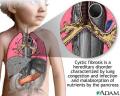 Cystic Fibrosis and Nutrition
June 2, 2006 02:55:02 AM PST
Cystic fibrosis (CF), called "65 Roses" by many of the 30,000 children and adults in the United States with the inherited genetic disease, particularly affects the respiratory and digestive systems.
CF makes children sick by disrupting the normal function of epithelial cells - cells that make up the sweat glands in the skin and that also line passageways inside the lungs, liver, pancreas, and digestive and reproductive systems.
A defect in these cells causes problems with the balance of salt and water in the body, leading it to produce thick mucus, which clogs the lungs, setting the stage for infections and other breathing problems. In children with CF, this mucus can also prevent the normal absorption of key nutrients and fat in the intestines, leading to poor digestion, slow growth, difficulty gaining weight, greasy bowel movements, and a decreased ability to fight infection.
About 85% to 90% of CF patients have pancreatic insufficiency by the time they're 8 or 9 years old. This means that the enzymes created in the pancreas that digest fat, starch, and protein aren't properly passed into the intestines. This causes problems in absorbing the necessary amounts of several important nutrients.
Important ways that you can help your child with CF grow healthy and strong include providing good overall nutrition along with extra fat and calories and prescribed enzymes (see the section Beyond Food - Enzymes and Tube Feeding).
Your Child's Nutritional NeedsIn general, children with CF may need 30% to 50% more of the recommended daily allowance of calories for their age group. This means that:
A toddler with CF may need 1,700 to 1,950 calories daily.
A child with CF may need 2,300 to 3,000 calories daily.
A teen with CF may need 2,900 to 4,500 calories daily.
These calorie needs may be even higher when a child is ill (even a low-grade infection can greatly increase your child's calorie needs).
Every child with CF has different nutritional needs. You'll work with your child's CF dietitian to determine how many calories he or she needs each day. The dietitian will track your child's growth and weight gain over time and will provide you with a nutrition plan.
Some parents of children with CF (and the kids as well) find that counting calories is bothersome. For this reason, it may be more helpful to focus more generally on your child's growth pattern and on adding calorie boosters with fat in them to the foods your child normally eats. That's because gram for gram, fat has more than twice the number of calories as protein and carbohydrates.
In addition to calories, kids with CF have some specific nutritional needs to help them thrive:
Calcium. Patients with pancreatic insufficiency have difficulty absorbing calcium and are especially at risk for developing osteoporosis (weak, brittle bones).
Even patients who don't have pancreatic insufficiency have a greater risk of developing the condition. All dairy products are good sources of calcium (and the full-fat varieties are good sources of fat and calories as well). Many juices also now include calcium.
Essential fatty acids. The body needs to get these particular types of fat from the diet. Found in plant oils, safflower oil, and soybean oils, they help in the building of cell membranes and may play a role in lung function.
Fat-soluble vitamins (vitamins A, D, E, and K). Important for growth and healing, these vitamins are absorbed along with fat. And because most children with CF have trouble digesting fat, they often have low levels of fat-soluble vitamins and need to take supplements.
Iron. Many children (both with and without CF) are at risk for developing iron deficiency anemia, which can cause fatigue and poor resistance to infection. Fortified cereal, meats, dried fruits, and deep green vegetables are good sources of iron.
Salt. Children with CF lose a lot of salt in their sweat, especially during hot weather and when they exercise. Your CF dietitian may ask you to add salt to your infant's formula and to give your older child salty snacks. During hot weather and when your child plays sports, the dietitian may recommend sending sports drinks to school for activities and physical education class.
Zinc. Important for growth, healing, and fighting infection, zinc is found in meats, liver, eggs, and seafood.
Meals at Home and Away. You'll need to work with your child's CF dietitian to create meal plans that include plenty of snacks, especially for toddlers who eat smaller meals. (Toddlers with or without CF may eat as many as six small meals a day.) When your child is older, schedule snacks so that he or she is eating enough, but isn't simply snacking all day.
Yahoo! Health: Children's Health News
more discussion: Forum
· Addiction Forum · Ask the Doctors Forum · Ayurveda Forum · Ayurvedic & Thai Herbs Forum · Colon Cleansing Forum · Dental Forum · Diabetes Forum · Diet Forum · General Cleansing Forum · Hepatitis A, B. C Forum · Integrated Medicine Forum · Live Blood Analysis Forum · Ozone-Oxygen-Forum · pH - Alkaline - Acidity Forum · Weight Loss Forum
Saturday, April 08, 2006
Physical Activity Keeps Teens Out of Trouble
As you know, more than a third of American teens are at rock bottom on the fitness scale and that will, no doubt, have a devastating effect on their health later on in life. Apparently, the opposite -- getting any kind of physical activity at all -- is just as true and beneficial to their mental and physical health, according to a new study.
Based on a survey of some 12,000 teens attending middle schools and high schools, those who stay away from the TV and are physically active in any way tend to stay away from health-harming habits (smoking, drinking, having risky sex and taking illegal drugs) and have better grades and self-esteem.
Beyond the hot and steamy content of some programs, TV watching tends to make teen viewers much more passive, causing them to miss the vital social contact they need to develop new skills, better teamwork habits and more life experiences, the lead researcher points out.
That said, teens need not play organized sports like football or basketball to benefit. Fun activities such as skating and skateboarding were also associated with better self-esteem and behaviors and less trouble.
Here's a related dual benefit: Teens who played sports with their parents were less trouble at home and school and, I suspect, a lot more physically fit too. That's one more sign, parents can have a significant effect on their teen's health habits, if they choose to.
Pediatrics, Vol. 117, No. 4, April 2006: 1281-1290
Yahoo News April 5, 2006
DrEddyClinic.com
Based on a survey of some 12,000 teens attending middle schools and high schools, those who stay away from the TV and are physically active in any way tend to stay away from health-harming habits (smoking, drinking, having risky sex and taking illegal drugs) and have better grades and self-esteem.
Beyond the hot and steamy content of some programs, TV watching tends to make teen viewers much more passive, causing them to miss the vital social contact they need to develop new skills, better teamwork habits and more life experiences, the lead researcher points out.
That said, teens need not play organized sports like football or basketball to benefit. Fun activities such as skating and skateboarding were also associated with better self-esteem and behaviors and less trouble.
Here's a related dual benefit: Teens who played sports with their parents were less trouble at home and school and, I suspect, a lot more physically fit too. That's one more sign, parents can have a significant effect on their teen's health habits, if they choose to.
Pediatrics, Vol. 117, No. 4, April 2006: 1281-1290
Yahoo News April 5, 2006
DrEddyClinic.com
Monday, January 02, 2006
Fructose: The Stealth Sugar
I've warned you about curbing your consumption of sugary fruit drinks, sports drinks and carbonated soft drinks for good reason: Sweet drinks represent the leading source of calories in America, and the engine that fuels the obesity epidemic.
New research from the University of Florida has determined why fructose -- the key sweetener contained in sugary drinks and other processed foods that comes from corn syrup, honey and fruit -- can be so health-harming. Fructose fools your body by making you perceive you're hungrier than you really are...
In studies on rats, scientists found fructose contributed to a rise in uric acid levels in the blood which blocks how insulin works in your body to regulate sugar. After 10 weeks on a high-fructose diet, every rat in the study had increased levels of uric acid and eventually developed a resistance to insulin. Lowering uric acid levels, however, reversed that damage.
One of the best and easiest way to turn your health around is to stop drinking liquid candy in all forms and switch to pure water.
One thing to keep in mind: The starch-derived (corn) fructose used to sweeten soft drinks and all kinds of processed foods is refined, man-made and metabolically different than the natural kind already in fruit. That's why your body converts the starch-derived fructose in processed foods to brown adipose tissue and trigylcerides that contribute to diabetes, hypoglycemia, obesity and cardiovascular disease.
On the other hand, fruit fructose, along with all the nutrients, vitamins, minerals, water, other mono-, di- and olgio-saccharides and fiber found in fruit, are converted to blood glucose.
Yahoo News December 15, 2005
American Journal of Physiology: Renal Physiology October 18, 2005
Integrated Medicine Forum http://www.DrEddyClinic.com/
http://dreddyclinic.com/forum/viewforum.php?f=1
New research from the University of Florida has determined why fructose -- the key sweetener contained in sugary drinks and other processed foods that comes from corn syrup, honey and fruit -- can be so health-harming. Fructose fools your body by making you perceive you're hungrier than you really are...
In studies on rats, scientists found fructose contributed to a rise in uric acid levels in the blood which blocks how insulin works in your body to regulate sugar. After 10 weeks on a high-fructose diet, every rat in the study had increased levels of uric acid and eventually developed a resistance to insulin. Lowering uric acid levels, however, reversed that damage.
One of the best and easiest way to turn your health around is to stop drinking liquid candy in all forms and switch to pure water.
One thing to keep in mind: The starch-derived (corn) fructose used to sweeten soft drinks and all kinds of processed foods is refined, man-made and metabolically different than the natural kind already in fruit. That's why your body converts the starch-derived fructose in processed foods to brown adipose tissue and trigylcerides that contribute to diabetes, hypoglycemia, obesity and cardiovascular disease.
On the other hand, fruit fructose, along with all the nutrients, vitamins, minerals, water, other mono-, di- and olgio-saccharides and fiber found in fruit, are converted to blood glucose.
Yahoo News December 15, 2005
American Journal of Physiology: Renal Physiology October 18, 2005
Integrated Medicine Forum http://www.DrEddyClinic.com/
http://dreddyclinic.com/forum/viewforum.php?f=1
Tuesday, December 13, 2005
Meeting of Platform on Diet, Physical Activity and Health
European Commission Dec 9 2005 5:22PM GMT
The first meeting of the Platform for Action on Diet, Physical Activity and Health since its launch on March 15 is taking place in Brussels today. Chaired by Robert Madelin, the Commission’s Director-General for Health and Consumer Protection, the meeting will be attended by members of the Platform who include stakeholders from the food industry, advertising industry, NGOs and public bodies. Meeting Agenda
Introduction by the Commission
Welcome to New Members
Purpose and expected outcomes of the Platform
Proposal from the United Kingdom to host a plenary meeting on the 21. September
Co-operation EU – US
Baseline
Draft input - Work in progress
Commitments
Format, timeline
Mandate for the Working Groups (Health Lifestyle/ Consumer Information and Education/ Monitoring)
Nomination of members of the Working Groups
Applications for Membership in the Platform
“Sport participation in the European Union – Trends and differences” by Professor van Bottenburg
Any other business
Integrated Medicine Forum http://www.DrEddyClinic.com/
The Integrated Medicine Forum of http://www.DrEddyClinic.com/
invites you to share your thoughts. suggestions and your feedback
The first meeting of the Platform for Action on Diet, Physical Activity and Health since its launch on March 15 is taking place in Brussels today. Chaired by Robert Madelin, the Commission’s Director-General for Health and Consumer Protection, the meeting will be attended by members of the Platform who include stakeholders from the food industry, advertising industry, NGOs and public bodies. Meeting Agenda
Introduction by the Commission
Welcome to New Members
Purpose and expected outcomes of the Platform
Proposal from the United Kingdom to host a plenary meeting on the 21. September
Co-operation EU – US
Baseline
Draft input - Work in progress
Commitments
Format, timeline
Mandate for the Working Groups (Health Lifestyle/ Consumer Information and Education/ Monitoring)
Nomination of members of the Working Groups
Applications for Membership in the Platform
“Sport participation in the European Union – Trends and differences” by Professor van Bottenburg
Any other business
Integrated Medicine Forum http://www.DrEddyClinic.com/
The Integrated Medicine Forum of http://www.DrEddyClinic.com/
invites you to share your thoughts. suggestions and your feedback
Saturday, December 03, 2005
Are Soft Drink Sales Really Slowing Down in Our Schools?
When it comes to protecting the health of your kids, particularly when big business gets involved, it always pays to read between the lines. Case in point, the latest and rather opportune report from the American Beverage Association (ABA) crowing about a 24 percent drop in non-diet soft drinks in our nation's schools from 2002-2004.
Regular carbonated sodas still command a 45 percent share of the soft drink business in schools, although that number reflects a 57 percent drop from 2002, according to ABA. Sounds like good news, until you take a harder look at the numbers that revealed kids merely shifted their attention from one kind of health-harming sugary soft drink to another.
Sports drinks: Up 70 percent.
Diet carbonated soft drinks: Up 22 percent.
Fruit juices: Up 15 percent.
Bottled Water: Up 23 percent.
As long as politicians on the state and federal level have anything to say about it -- and they always do -- we may be waiting a very long time before soft drinks are ever completely banned in our public schools.
Until that day comes, if it ever does, one of the easiest steps you can take to improve your child's health is to make the switch from sugary soft drinks and juices to clean water.
Yahoo News December 1, 2005
Regular carbonated sodas still command a 45 percent share of the soft drink business in schools, although that number reflects a 57 percent drop from 2002, according to ABA. Sounds like good news, until you take a harder look at the numbers that revealed kids merely shifted their attention from one kind of health-harming sugary soft drink to another.
Sports drinks: Up 70 percent.
Diet carbonated soft drinks: Up 22 percent.
Fruit juices: Up 15 percent.
Bottled Water: Up 23 percent.
As long as politicians on the state and federal level have anything to say about it -- and they always do -- we may be waiting a very long time before soft drinks are ever completely banned in our public schools.
Until that day comes, if it ever does, one of the easiest steps you can take to improve your child's health is to make the switch from sugary soft drinks and juices to clean water.
Yahoo News December 1, 2005
Subscribe to:
Posts (Atom)
Balancing Your Hormones Without Drugs... You Can Feel Good Again$19.95 Hormone imbalance can be reversed! Look and feel better than ever, just take the time to learn about yourself and read the information contained in this just released e-book about reversing hormone imbalance. Are you ready to finally look and feel great? If so... read on... - E-Book Version.(BH) |