Showing posts with label Calcium. Show all posts

Wednesday, August 20, 2008

Low Vitamin D Raises Women's Hip Fracture Risk

(HealthDay News) -- Low levels of vitamin D can boost older women's risk for hip fracture by more than 70 percent, University of Pittsburgh researchers report.

The finding adds weight to the recommendation that people maintain adequate intake of vitamin D, which is primarily made by the skin when it is exposed to sunlight.

The fracture-vitamin D link "has been observed for 15 years," noted Dr. Michael F. Holick, director of the Vitamin D Skin and Bone Research Laboratory at Boston University. "The good news is it's consistent, the higher your vitamin D status, the lower the risk of your developing a hip fracture."

The new report appears in the Aug. 19 issue of the Annals of Internal Medicine.

Hip fractures can be devastating for older individuals. In fact, 50 percent of older people who suffer a hip fracture will end up in a nursing home and 20 percent will die within the first year due to complications such as a pulmonary embolism resulting from the fracture, Holick said.

For this study, a research team led by Jane A. Cauley from the University of Pittsburgh collected data on 800 women aged 50 to 79. Researchers followed the women for up to nine years to determine their risk for hip fractures.

They found that the risk of hip fracture rose 33 percent with every 25 nanomoles per liter drop in vitamin D levels. Women with the lowest levels of vitamin D had a 71 percent increase risk for hip fractures compared with women with the highest levels of vitamin D, the researchers report.

"We conclude that low serum vitamin D concentrations are associated with an increased risk for hip fracture in community-dwelling women. The mechanism of association is unclear," the authors wrote.

Holick notes that vitamin D is essential for the body's absorption of calcium, a key component of bone health. "If you don't have adequate vitamin D, you cannot efficiently absorb calcium," he said. "Vitamin D also helps maintain bone health by keeping bone cells active."

According to the U.S. Institute of Medicine, people should get between 200 and 400 international units of vitamin D a day. The best way to get vitamin D, naturally, is by being out in the sun.

As little as 10 to 15 minutes of sun a day can give you all a vitamin D you need. Vitamin D is also available in small quantities in foods such as fish and milk.

Preventing hip fracture is another good reason to keep your vitamin D levels up, Holick said. "To get vitamin D levels to where they need to be to reduce the risk of hip fracture, you need to be taking at least 1,000 international units of vitamin D a day from a supplement," he advised.

Dr. John Jacob Cannell, executive director of the nonprofit Vitamin D Council, agreed that most people are not getting enough of the nutrient.

"Women need to know their vitamin D status," Cannell said. "They need to ask their doctor for the right test," known as the 25 hydroxy D test. "Women should strive to keep your vitamin D levels above 125 nanomoles per liter, year round. To do that, they are going to require supplements."

Cannell recommends that before they get a blood test for vitamin D, women take 2,000 international units of vitamin D a day for three months.

More information
For more about vitamin D, visit the U.S. National Institutes of Health.

Friday, July 18, 2008

Health Tip: Risk Factors for Osteoporosis

(HealthDay News) -- Osteoporosis -- caused when the body can't replace bone calcium as fast as it is lost -- is common as people age, particularly among women.

More than 1.5 million Americans each year sustain a bone fracture related to osteoporosis.

Here are common risk factors for osteoporosis, courtesy of the American Academy of Orthopaedic Surgeons:
  • Getting older.

  • Not doing enough weight-bearing exercises.

  • Insufficient estrogen levels after menopause.

  • Not getting enough calcium or vitamin D in your diet.

  • Certain hormonal imbalances.

  • Heredity, including being white or Asian.

  • Drinking alcohol or smoking.


Tuesday, November 27, 2007

Depression Linked to Bone Loss in Younger Women

(HealthDay News) -- Premenopausal women struggling with depression have lower bone mass than do non-depressed women in the same age range, a new study found.

The bone loss was most pronounced in certain regions of the hip, which is troubling given that hip fractures are one of the most serious -- and potentially fatal -- consequences of osteoporosis.

The level of bone loss seen in the depressed women was the same or higher than that associated with other, established risk factors for osteoporosis, including smoking, low calcium intake and lack of physical exercise, the researchers said.

The findings, published in the Nov. 26 issue of the Archives of Internal Medicine, could have implications for the prevention of osteoporosis.

"Premenopausal women with depression should be screened for low bone mass," said Dr. Giovanni Cizza, senior author of the study who conducted the research while at the U.S. National Institute of Mental Health. "They should do a bone mineral density measurement, because osteoporosis is a silent condition. Until someone fractures, you don't know you have osteoporosis."

Cizza is now a staff clinician at the U.S. National Institute of Diabetes and Digestive and Kidney Diseases.

A woman's bone mass peaks during youth then thins after menopause. Previous, preliminary studies had suggested that depression might be a risk factor for low bone mass in older women.

For this study, Cizza and his colleagues looked at 89 women with depression and 44 women without depression. The women ranged in age from 21 to 45. The depressed women were taking antidepressant medications.

Seventeen percent of the depressed women had thinner bone density in the femoral neck, a vulnerable part of the hip. Only 2 percent of non-depressed women, by contrast, had thinner bone in this area.

Twenty percent of depressed women also had low bone density in the lumbar spine, compared with 9 percent of the non-depressed women.

Blood and urine samples also revealed that the depressed women had lower levels of "good" proteins called cytokines. "The bad cytokines that may cause bone loss are higher," Cizza said.

It's not clear what role antidepressants might play, but by relieving the depression, the drugs may also help bone mineral density, the researchers said.

More information
To learn more about bone health, visit the National Osteoporosis Foundation.

Tuesday, October 02, 2007

Advantages and Disadvantages of Alcohol Intake on Cardiovascular Health Reviewed

News Author: Laurie Barclay, MD
CME Author: Charles Vega, MD

The latest American Heart Association guidelines caution people not to start drinking alcohol if they do not already drink alcohol, according to a review of the advantages and disadvantages of alcohol intake on cardiovascular health published in the August 23 Online First issue of the Journal of the American College of Cardiology.

"Accumulating scientific evidence indicates that light to moderate drinking done on a daily basis may significantly reduce the risks of coronary heart disease (CHD) and all-cause mortality," write James H. O'Keefe, MD, FACC, and colleagues from the Mid America Heart Institute in Kansas City, Missouri. "In contrast, excessive alcohol intake and binge drinking are toxic to both the heart and overall health and are the third leading cause of premature death among Americans.

The purpose of the present review is to:
1) outline the specific benefits and risks of alcohol, and the threshold of intake at which drinking becomes a health danger rather than an advantage;
2) detail the mechanisms whereby alcohol confers cardioprotection; and
3) discuss the ideal quantities, drinking patterns, and beverages, and which individuals are most likely to benefit."

Research to date has shown J-shaped relationships between alcohol consumption and several adverse health outcomes, including all-cause mortality, CHD, diabetes, hypertension, congestive heart failure, stroke, dementia, and Raynaud's phenomenon.

Some cardioprotective benefits have been demonstrated for light to moderate alcohol consumption (up to 1 drink daily for women and 1 or 2 drinks daily for men). Most studies have shown that light to moderate drinking is associated with risk reductions for CHD of approximately 30% to 35%.

Alcohol consumed in moderation seems to have an antiatherosclerotic effect, with decreased incidence of peripheral arterial disease and decreased atherosclerotic burden shown by coronary angiography, computerized tomography-detected coronary calcium, and carotid ultrasound.
Like exercise, alcohol consumption seems to be most cardioprotective when done daily and in moderation. However, increasingly excessive consumption is associated with proportional worsening of outcomes.

Because of the beneficial effects on high-density lipoprotein (HDL) cholesterol, insulin action, and inflammation, light to moderate alcohol intake may be particularly helpful for patients with abnormal glucose metabolism and/or insulin resistance. Light to moderate alcohol intake may be associated with reductions in the prevalence and incidence of diabetes, and a large meta-analysis with 12-year follow-up showed a 30% reduction in new diabetes in those who consumed 1 to 2 drinks daily.

The cardiovascular benefits associated with alcohol consumption protection are thought to be mediated by improvements in insulin sensitivity and HDL cholesterol. The major protective component seems to be the ethanol itself, and not the other ingredients found in different types of alcoholic beverages.

In a meta-analysis incorporating data from more than 1 million participants, consumption of 1 drink daily by women and 1 or 2 drinks daily by men was associated with an 18% reduction in total mortality, but daily intakes of more than 2 drinks in women and 3 drinks in men were associated with dose-dependent increased mortality.

Although low-dose, daily alcohol consumption has been linked to better health than less frequent use, binge drinking increases cardiovascular events and mortality, even in otherwise light drinkers.

"Alcohol should not be universally prescribed for health enhancement to nondrinking individuals owing to the lack of randomized outcome data and the potential for problem drinking," the study authors note. "Alcohol (ethanol) consumption is analogous to the proverbial double-edged sword, and perhaps no other factor in cardiovascular (CV) health is capable of cutting so deeply in either direction depending on how it is used."

Guidelines from the United Kingdom suggest that middle-aged or elderly men and postmenopausal women who drink seldom or never might consider the possibility that light drinking would benefit their health. On occasion, the reviewers have made a similar recommendation to patients who do not smoke and who have no personal or family history of substance abuse and no history of depression or bipolar disorder. However, they argue that light to moderate drinking should not be universally recommended to the general public or even to patients with cardiovascular disease.

As an analogy, they point out that observational data and findings from randomized trials using surrogate endpoints suggested that hormone replacement therapy for women and antioxidant vitamins improved cardiovascular outcomes, whereas later randomized trials with larger samples led to the opposite conclusions. They note that no randomized trials of alcohol for improving clinical outcomes have yet been performed. In observational studies, residual unmeasured confounding factors could be contributing to apparent benefits that seem to be associated with light to moderate drinking.

The investigators further note that heavy drinking has caused significant individual and societal problems and morbidity. In the past 15 years, the rates of alcohol abuse and binge drinking have been increasing, according to the findings of some studies. Alcohol abuse causes 100,000 deaths each year in the United States, and it has been deemed the third largest preventable cause of death.

Excessive alcohol consumption has been associated with increased risks for all-cause mortality, motor vehicle crashes, stroke, cardiomyopathy, cardiac dysrhythmia, sudden cardiac arrest, suicide, cancer (particularly of the breast and gastrointestinal tract), cirrhosis, fetal alcohol syndrome and sleep apnea.

"Sobering statistics warn that moderate daily drinking is a slippery slope that many individuals cannot safely navigate," the study authors conclude. "The latest American Heart Association guidelines caution people not to start drinking if they do not already drink alcohol, because it is not possible to predict in which people alcohol abuse will become a problem. Until we have more randomized outcome data, and tools for predicting susceptibility to problem drinking, it would seem prudent to encourage physicians and patients to focus on more innocuous interventions to prevent CHD."

J Am Coll Cardiol. Published online August 23, 2007.
2007;50:1009-1014.

Tuesday, July 03, 2007

Food Nutrition Labels a Puzzle? Here's Help

(HealthDay News) -- If you think you're the only one who gets confused trying to read nutrition labels on food, relax. You've got plenty of company.

In a study of educated adults -- 75 percent had at least a high school education -- most had trouble understanding everyday food nutrition labels.

Dietitians aren't surprised, since they constantly have to explain food labeling to clients.

"The biggest problem is (figuring) serving size," said Dr. Russell Rothman, an assistant professor of internal medicine and pediatrics at the Center for Health Services Research at Vanderbilt University, who led the study about nutrition labels.

His team surveyed 200 primary-care patients from a wide range of socioeconomic backgrounds and asked them to finish a 24-item measure of food label comprehension.

They answered, on average, just 69 percent of the questions correctly.

Besides confusing serving sizes, people were most often mixed up about extraneous material on the label, Rothman found. They often calculated the data incorrectly -- for instance, only 37 percent could figure the number of carbohydrates consumed from a 20-ounce bottle of soda that contained 2.5 servings.

"A soda bottle is typically 20 ounces," Rothman said, "and it will say, 'servings per container is 2.5.' People will not realize that. They think 20 ounces is a serving." If the label says 200 calories per serving, many will mistakenly think that means the whole bottle. However, after doing the math, the entire bottle would actually provide 500 calories, he said.

"When you are looking at food labels, take your time and be careful," Rothman advised. "They are confusing and have a lot of complex information in them. Pay particular attention to serving size and how to apply that to how much you are actually eating."

The study was published recently in the American Journal of Preventive Medicine.

Another expert, Susan Moores, a nutrition consultant in Minneapolis and a spokeswoman for the American Dietetic Association, agreed that serving size is where many people get tripped up on reading labels.

She said the first few ingredients listed on a label can also give clues to a product's goodness. "You want to recognize what they are," Moores said. "If you don't, that's a red flag. It means the food is probably not so nutritious." One exception, she said, might be the label on fortified cereals, where many non-recognizable names could be vitamins and other nutritious ingredients, she said.

Instead of trying to decipher the entire label, consumers can learn a few tricks, Moores and Rothman suggested.

For instance, follow the "5 and 20" rule. "If a label says it contributes 5 percent or less (of the daily value of a particular) nutrient, that is good on some ingredients, such as sodium and cholesterol, fat and sugar," Moores said. But, she added, it's not ideal for nutrients you want to increase.

If a label says it provides 20 percent of the daily value of a nutrient, likewise, that's good for nutrients you want to boost -- such as vitamins, fiber, calcium or iron -- but not for those you want to curtail.

You can look on the packaging itself for specific phrases, such as "low in fat," Rothman suggested. "These labels are regulated by the Food and Drug Administration," he said, so consumers have some assurances that the foods are as advertised.

That's not foolproof, however. "Some foods low in calories may not be better (than other foods) in other nutritional ingredients. They may have too much salt or fat," Rothman said.

If you still have trouble with label reading, Rothman offered up two more ways to be sure you focus on nutritious foods. First, you can follow an eating plan, such as Weight Watchers, he said, which advises you to eat five servings or more of fruits and vegetables, two to three servings of low-fat or non-fat dairy products daily, and to limit your calories.

"If you still find it very hard, when you meet with your physician or a registered dietitian, ask for help from them," he said. "Ask them to suggest something else practical you can do."

More information
There's more on nutrition labeling at the U.S. Food and Drug Administration.

Friday, June 08, 2007

New Drug Fails to Improve Odds for Heart Failure Patients

(HealthDay News) -- A new drug is no more effective at improving the survival rates of people with decompensated heart failure than a widely used medication is, a new international study has found.

Decompensated heart failure is one form of the general condition in which the heart progressively loses the ability to pump blood. It is characterized by a set of symptoms including shortness of breath and intolerance to exercise.

There were hopes that the new drug, levosimendan, would improve survival, because it uses a unique mechanism that makes heart muscle cells more sensitive to the calcium that causes them to contract. However, the study of 1,347 persons with acute decompensated heart failure, done at 75 centers in nine countries between March 2003 and December 2004, found essentially the same death rate for participants who got levosimendan as those who received an established medication, dobutamine, said a report in the May 2 issue of the Journal of the American Medical Association.

The trial leaves cardiologists without a totally satisfactory treatment for decompensated heart failure, said Dr. Robert Hobbs, a Cleveland cardiologist specializing in treatment of the condition. Some 5 million Americans have one form or another of heart failure, and about 1 million of them are hospitalized for it each year.

"The original therapy, which is still basic, is diuretics," Hobbs explained. "They make the body lose water, so people feel better. In the 1980s, ACE inhibitors came along to make people feel better and live longer, and they were added for long-term benefit. The third group of drugs to be used were beta blockers."

Dobutamine is a positive inotropic agent that has been found to improve symptoms, but it has also been associated with an increased risk of death and cardiovascular problems. In the latest trial, participants with decompensated heart failure received levosimendan or dobutamine intravenously.

"The common practice has been to give dobutamine in the belief that the heart is like a battery that has lost its charge," Hobbs said. "By giving dobutamine, you would recharge it. That didn't actually happen [in previous studies]. It appeared to be associated with complications, longer hospital stays and more mortality."

In another previous study, careful analysis indicated that levosimendan was associated with a lower risk of death than dobutamine. "It did have the different mechanism of action, and it was felt that might translate into improved safety," Hobbs said. But it proved to be no better in the new trial.

In the 180 days after drug infusion, the death rate was 26 percent among patients who got levosimendan and 28 percent in those getting dobutamine. There was no statistical difference between other endpoints, such as incidence of breathing difficulties and days spent out of the hospital.

Participants who got levosimendan were less likely to experience cardiac failure but more likely to experience the abnormal heartbeat called atrial fibrillation, low blood levels of potassium, and headache.

"The bottom line on all of this is that it is hard to show benefit for what we do for acute decompensated heart failure," Hobbs said.

More information
All aspects of heart failure are explored by the American Heart Association .

Thursday, January 18, 2007

Back Pain Constipation

Defining Constipation

Constipation is a term used to describe infrequent bowel movements and affects many people every year.
However, surpassed only by cold and flu symptoms as “motivators,” having a sore back is the second most common reason people visit their doctors.
While the most obvious symptom of constipation is difficulty in having regular bowel movements, another prevalent symptom is back pain.
Most of us will experience some sort of pain or discomfort in our backs at some point in our lives, and constipation could be the cause.
Structure and Function of the Back

The back has many muscles attached to, intersecting, or covering the spine. The spine itself is made up of an elongated, curved stack of bones called vertebrae. These vertebrae are basically round and between each of them is a special disc.
These discs are composed of rubber-like tissue and provide flexibility of the spine. Without this flexibility, we wouldn’t be able to bend over, twist, sit, or walk. However, we wouldn’t want to be as flexible as a snake either. Along with the discs, we have strong ligaments spanning from vertebrae to vertebrae for more support.
The spine also has the critical job of protecting the spinal cord, which sends messages back and forth to the body and the brain, so we can see the logic of having spinal “armor” shielding it.

It’s no wonder people end up with sore back muscles, “slipped discs,” and other lower back problems because we have so many different parts to twist, pull, tear, and strain!
Back pain can be caused by lifting something too heavy, twisting too suddenly, or even sleeping in an awkward position and it can even be related to something unusual like constipation. The lower back also feels impact from walking, running, and many other everyday motions.
Constipation only worsens the situation as the lower back feels greater strain when natural movement is obstructed or hindered by an over-full or impacted colon.

Incredibly, even children can experience back pain constipation. You see—constipation is really just the body not getting rid of waste often enough. If waste remains in the colon too long, the body can reabsorb the water and thus the stool becomes too dry.
If a child is trying to pass a stool that is hard, dry, or very large, they have to strain to manipulate the intestinal muscles. As a result, they may experience lower back pain from all that extra effort. Children may experience additional pain in the anus from it getting stretched open for the large, dry stool to get pushed out.

When to See a Doctor

People with severe or chronic constipation can also develop a condition known as fecal impaction. This occurs when the rectum is blocked by a hardened bowel movement and it can lead to back pain and cramps, bloating, and even feelings of lethargy from the waste remaining inside the body too long.
Most people endure these types of problems without realizing a solution can be obtained; they find ways to work around any lower back pain they might be experiencing and just trudge along with the added difficulty. Nonetheless, it can be a sign that something else is wrong. If you have any of the following symptoms, consult a qualified physician:

The pain is constant and doesn’t improve by resting your back or lying down.
The pain developed suddenly and you are under 20 years old or over 55 years old.
The pain travels up the back and into the chest area.
The pain came on slowly and gradually became worse (most back pain comes on quickly from some injury or stress).

Recurrent nausea or loss of appetite affects your normal diet patterns.
You experience weakness or numbness in your legs or feet or any part of your buttock region.
You are also experiencing problems with your bladder or bowel function.

Of course, if you’re experiencing back pain constipation, once you begin having regular bowel movements again the pain should subside. But what if you’ve had back pain recently, and it feels better now, yet you are still constipated? Surprisingly, back pain constipation can also be related to medications you're taking such as painkillers or anti-inflammatory drugs.

Medications and Constipation

Stronger painkillers, like Codeine, have a tendency to constipate, as do non-steroidal anti-inflammatory drugs. Here are some medications or drugs you may not recognize as potential causes of constipation:

Antacids containing aluminum hydroxide
Anti-depressants
Anti-diarrhea products
Anti-spasmodic drugs
Diuretics
Medications for Parkinson’s disease
Iron supplements
Calcium channel blockers (high blood pressure treatments)
Decongestants and anti-histamines
Pain Relief

Helpful Hints for Reducing Back Pain Constipation

Some people are surprised to learn constipation could be causing lower back pain, but the truth is—constipation can cause all sorts of aches, pains, and general malaise. Abdominal pain pain and nausea are common symptoms, as well as a loss of appetite.
If there is fecal impaction associated with your back pain constipation, it can cause rectal cramps. Fecal impaction may occur in the elderly; and because liquid stool tends to ooze out around blockages, it can often be mistaken for diarrhea.
If you are suffering from the discomfort of back pain constipation here are some resolutions you can try:

Dehydration can be a major cause of back pain constipation. Drink lots of water, or hot teas and broths.

Begin exercising more. Easy, relaxed swimming or walking are excellent choices.

Cut back on eating refined foods and get back to the healthful basics such as fresh fruits and green, leafy vegetables.

Raise your feet with a footstool when you are sitting on the toilet. It puts the bowel at a better angle for passing the stool more easily.

Try using a natural oxygen-based intestinal cleanser, like Oxy-Powder®.

Take the time to thoroughly research your sleeping conditions. Invest in not just an “okay” bed but the best one you can afford. Getting a great night’s rest is critical to keeping the body in proper working order.

Back pain constipation is a detriment to health we may all have to face someday. If you find it’s happening more often, it's probably a good time to change your routine.
Focus on exercises strengthening both stomach and back muscles such as good old-fashioned sit-ups, rowing, back extensions, leg lifts, or the afore-mentioned aquatic activities. Be aware of potential side effects from any medication you are taking. Make sure you're sleeping well on a comfortable mattress;
some people prefer firmer and some prefer softer, but everyone should feel refreshed in the morning. And, perhaps most beneficial, begin eating a healthful, well-balanced diet with plenty of fruit, whole grains (for fiber), and vegetables.
Back pain constipation can be a debilitating, painful condition but can be alleviated with a little common sense and preventative measures. Be good to your back—it’s really the foundation of a body’s strength and must be maintained for overall good health.
more info at: oxypowder

Sunday, October 08, 2006

Sleep Apnea, Hypertension Common in Chronic Kidney Disease

(HealthDay News) -- High blood pressure is common in people with sleep apnea, says a study that examined rates of high blood pressure and sleep apnea in people with chronic kidney disease (CKD).

The study of more than 720,000 adults defined the severity of CKD by the presence of protein in urine (proteinuria) and reduced glomerular filtration rate (GFR), a measurement of the kidney's ability to remove wastes and fluid from the body and regulate blood levels of compounds such as sodium, potassium, phosphorus and calcium.
The study found that:

  • Among the 395,634 people with no CKD (GFR greater than 90 and no proteinuria), 28 percent had hypertension and 2 percent had sleep apnea. Of those with sleep apnea, 51 percent also had high blood pressure.
  • Among the 4,917 people with stage I CKD (GFR greater than 90 and proteinuria), 74 percent had hypertension and 5 percent had sleep apnea. Of those with sleep apnea, 87 percent also had hypertension.
  • Among the 258,238 people with stage II CKD (GFR 60 to 89), 55 percent had hypertension and 3 percent had sleep apnea. Of those with sleep apnea, 66 percent also had hypertension.
  • Among the 59,300 people with stage III CKD (GFR 30 to 59), 81 percent had hypertension and 3 percent had sleep apnea. Of those with sleep apnea, 86 percent also had hypertension.
  • Among the 2,789 with stage IV CKD (GFR 15 to 29), 94 percent had hypertension and 3 percent had sleep apnea. All those with sleep apnea also had hypertension.

Hypertension is common in people with sleep apnea, whether or not they have CKD, the researchers concluded. They noted that rates of hypertension increase when CKD and sleep apnea are both present in patients with normal GFR who have proteinuria. They also noted that rates of hypertension increase as kidney function declines.
The study was to be presented Oct. 7 at an American Heart Association meeting in San Antonio.

More information
The American Academy of Family Physicians has more about chronic kidney disease.

more discussion: Forum
· Addiction Forum · Ask the Doctors Forum · Ayurveda Forum · Ayurvedic & Thai Herbs Forum · Colon Cleansing Forum · Dental Forum · Diabetes Forum · Diet Forum · General Cleansing Forum · Hepatitis A, B. C Forum · Integrated Medicine Forum · Live Blood Analysis Forum · Ozone-Oxygen-Forum · pH - Alkaline - Acidity Forum · Weight Loss Forum


Transforming Your Health in 90 days or Less

Transforming Your Health in 90 days or Less

$19.95
[ learn more ]

Add to Cart

Your body can heal itself without drugs and their painful or deadly side effects. You can live a long and healthy life. Choose NOW to follow a better path; the decision is yours! Learn what simple and powerful decisions you can begin to make right now to restore your health and vitality! - E-Book Version.(THP)

Sunday, July 02, 2006

DETERMINATION OF OXIDATION TYPE BY MEANS OF TISSUE ELECTROLYTE RATIOS

A method of determining oxidation types by means of hair tissue mineral ratios was evaluated by reviewing 55 patient files. Correlations were assessed between tissue calcium/potassium, sodium/magnesium, and sodium/potassium ratios, and nine signs and symptoms of oxidation type. Hair mineral ratios were found to be good predictors of signs and symptoms of oxidation type.

by Dr. Lawrence Wilson
(first published in the Journal of Orthomolecular Medicine, Vol. 1, #2, 1986) More:
http://orthomolecularnews.blogspot.com/

Saturday, June 24, 2006

Quitting Hormone Replacement Therapy?

Provided by: DrWeil.com

Q: I'm currently on hormone replacement therapy (HRT) and have been for 10 years. I would like to get off. How do I do this? Do I just quit, or do I need to back it down? -- Terri M.

A: Conventional medical wisdom holds that since you've been on HRT for so long, it would be best to wean yourself off slowly. However, the few studies on this subject suggest that it really doesn't matter whether you go cold turkey or withdraw from the hormones gradually: there seems to be no difference in the incidence of menopausal symptoms that develop as a result.

One study, published in the December 2003 issue of Obstetrics and Gynecology, found that about one-quarter of the women participating were unable to discontinue hormone therapy because of the withdrawal symptoms they experienced.

The women who had the most trouble quitting had begun taking estrogen after a hysterectomy, and had been on it for 10 years or more. Of the women in the study who succeeded in withdrawing from HRT, 71 percent quit abruptly and 29 percent tapered off HRT.

There was no difference in the incidence of menopausal symptoms between the two groups. Another study, published in the May, 2004 issue of the Journal of Women's Health, also found no difference in symptoms between women who quit abruptly and those who tapered off. If you decide to wean yourself off HRT, discuss your plan with your doctor. I suggest cutting back on HRT over the course of two months.

You can do this by taking decreasingly lower doses of estrogens. You're probably taking 0.625 mg of estrogen daily. You want to bring this down to 0.4, then 0.3 mgs daily. Either ask your physician to prescribe lower-dose estrogen or start taking your pills every other day, instead of daily. Continue taking your full dose of progestin whenever you take estrogen. If your HRT prescription is for a pill that combines both hormones, ask your physician for separate prescriptions so that you can slowly lower your estrogen dose.

Once you're off the hormones, you may experience hot flashes, night sweats or mood swings, and within two or three months you're likely to notice vaginal dryness and loss of fullness of your breasts. Hormonal changes can also lead to some temporary hair loss. If vaginal dryness becomes problematical, try Replens, a non-hormonal gel, which should be applied three times a week, or use the lubricant Astroglide at the time of intercourse. Both are available over-the-counter. Alternatively, speak to your physician about prescription estrogen creams that can be applied vaginally or the vaginal ring (Estring) that time-releases estradiol (a natural form of estrogen) daily; the ring has to be replaced every 90 days.

If you were taking HRT to protect against osteoporosis, make sure that you're getting 1,500 mg of calcium daily from your diet and, if necessary, from supplements. Weight-bearing exercise, such as brisk walking, along with strength training can protect your bones. If a bone density test shows that you're at high risk of osteoporosis, you may want to consider taking Fosamax (alendronate sodium), Actonel (risedronate sodium) or Evista (raloxifene), prescription medications that can help strengthen bone.

Many women find relief from hot flashes, night sweats and vaginal dryness by taking black cohosh (Cimifiuga racemosa) plus 800 IUs of vitamin E daily. Alternatives include the supplements dong quai and evening primrose oil, which work for some women. Two to three daily servings of whole soy foods (tofu, tempeh, edamame, and soy milk) will give you some safe plant estrogen (phytoestrogens) that may help relieve symptoms. If these natural approaches don't help, talk to your physician about Effexor (venlafaxine) or other drugs that can relieve hot flashes.
Andrew Weil, MD

Tuesday, June 06, 2006

Cystic Fibrosis and Nutrition

Cystic Fibrosis and Nutrition
June 2, 2006 02:55:02 AM PST

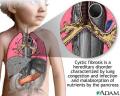
Cystic fibrosis (CF), called "65 Roses" by many of the 30,000 children and adults in the United States with the inherited genetic disease, particularly affects the respiratory and digestive systems.

CF makes children sick by disrupting the normal function of epithelial cells - cells that make up the sweat glands in the skin and that also line passageways inside the lungs, liver, pancreas, and digestive and reproductive systems.

A defect in these cells causes problems with the balance of salt and water in the body, leading it to produce thick mucus, which clogs the lungs, setting the stage for infections and other breathing problems. In children with CF, this mucus can also prevent the normal absorption of key nutrients and fat in the intestines, leading to poor digestion, slow growth, difficulty gaining weight, greasy bowel movements, and a decreased ability to fight infection.

About 85% to 90% of CF patients have pancreatic insufficiency by the time they're 8 or 9 years old. This means that the enzymes created in the pancreas that digest fat, starch, and protein aren't properly passed into the intestines. This causes problems in absorbing the necessary amounts of several important nutrients.

Important ways that you can help your child with CF grow healthy and strong include providing good overall nutrition along with extra fat and calories and prescribed enzymes (see the section Beyond Food - Enzymes and Tube Feeding).

Your Child's Nutritional NeedsIn general, children with CF may need 30% to 50% more of the recommended daily allowance of calories for their age group. This means that:
A toddler with CF may need 1,700 to 1,950 calories daily.
A child with CF may need 2,300 to 3,000 calories daily.
A teen with CF may need 2,900 to 4,500 calories daily.
These calorie needs may be even higher when a child is ill (even a low-grade infection can greatly increase your child's calorie needs).

Every child with CF has different nutritional needs. You'll work with your child's CF dietitian to determine how many calories he or she needs each day. The dietitian will track your child's growth and weight gain over time and will provide you with a nutrition plan.

Some parents of children with CF (and the kids as well) find that counting calories is bothersome. For this reason, it may be more helpful to focus more generally on your child's growth pattern and on adding calorie boosters with fat in them to the foods your child normally eats. That's because gram for gram, fat has more than twice the number of calories as protein and carbohydrates.

In addition to calories, kids with CF have some specific nutritional needs to help them thrive:
Calcium. Patients with pancreatic insufficiency have difficulty absorbing calcium and are especially at risk for developing osteoporosis (weak, brittle bones).

Even patients who don't have pancreatic insufficiency have a greater risk of developing the condition. All dairy products are good sources of calcium (and the full-fat varieties are good sources of fat and calories as well). Many juices also now include calcium.

Essential fatty acids. The body needs to get these particular types of fat from the diet. Found in plant oils, safflower oil, and soybean oils, they help in the building of cell membranes and may play a role in lung function.

Fat-soluble vitamins (vitamins A, D, E, and K). Important for growth and healing, these vitamins are absorbed along with fat. And because most children with CF have trouble digesting fat, they often have low levels of fat-soluble vitamins and need to take supplements.

Iron. Many children (both with and without CF) are at risk for developing iron deficiency anemia, which can cause fatigue and poor resistance to infection. Fortified cereal, meats, dried fruits, and deep green vegetables are good sources of iron.

Salt. Children with CF lose a lot of salt in their sweat, especially during hot weather and when they exercise. Your CF dietitian may ask you to add salt to your infant's formula and to give your older child salty snacks. During hot weather and when your child plays sports, the dietitian may recommend sending sports drinks to school for activities and physical education class.

Zinc. Important for growth, healing, and fighting infection, zinc is found in meats, liver, eggs, and seafood.

Meals at Home and Away. You'll need to work with your child's CF dietitian to create meal plans that include plenty of snacks, especially for toddlers who eat smaller meals. (Toddlers with or without CF may eat as many as six small meals a day.) When your child is older, schedule snacks so that he or she is eating enough, but isn't simply snacking all day.

Yahoo! Health: Children's Health News


more discussion: Forum
· Addiction Forum · Ask the Doctors Forum · Ayurveda Forum · Ayurvedic & Thai Herbs Forum · Colon Cleansing Forum · Dental Forum · Diabetes Forum · Diet Forum · General Cleansing Forum · Hepatitis A, B. C Forum · Integrated Medicine Forum · Live Blood Analysis Forum · Ozone-Oxygen-Forum · pH - Alkaline - Acidity Forum · Weight Loss Forum

Sunday, June 04, 2006

Is It Dangerous to Combine Supplements and Drugs?

Is It Dangerous to Combine Supplements and Drugs? Provided by: DrWeil.com

Q: I'm curious about interactions between herbs and drugs. Are there many that we should worry about? -- Nicole S.

A: For the most part, I think warnings about interactions between herbs and drugs are overstated. For example, a few years ago the American Society of Anesthesiologists warned that certain herbs and supplements could pose a hazard to patients undergoing surgery.
The group claimed that several herbs have anti-blood-clotting activity and conceivably could interfere with clotting during and after surgery. St. John's wort was also singled out in 2003 as an agent that could diminish the effectiveness of certain drugs because of its effect on enzyme systems involved in drug metabolism. (Many pharmaceutical drugs have the same effect.)

In general, I think you're pretty safe taking most supplements, but you certainly should tell your doctor about anything you're taking regularly, particularly if you're also taking either prescription or over-the-counter drugs. Here's a quick rundown of some commonly used supplements and drugs that could interact to your detriment:

St. John's wort: May affect metabolism of antidepressants; HIV protease inhibitors used to treat HIV/AIDS; digoxin, a heart medication; theophylline, used to treat asthma; cyclosporine, an immunosuppressant; chemotherapy; birth control pills (it may reduce their effectiveness); the blood pressure and heart disease medications nifedipine and diltiazem; Coumadin, a blood-thinner; and non-nucleoside reverse transcriptase inhibitors for HIV/AIDS treatment.

Co-enzyme Q10, dong quai, feverfew, garlic, ginger, ginkgo, ginseng, vitamin E and St. John's wort: May increase the risk of bleeding if you're taking prescription anticoagulants such as Coumadin.

Echinacea: May increase levels of HIV protease inhibitors used to treat HIV/AIDS, calcium channel blockers used to treat high blood pressure, and anti-anxiety drugs.

Capsicum (red pepper, cayenne pepper): May increase the absorption and effect of ACE inhibitors used to treat high blood pressure, heart failure and kidney disease; theophylline (for asthma); sedatives; and antidepressants.

Garlic: May decrease the effectiveness of immunosuppressant drugs and HIV protease inhibitors. It also may reduce the need for insulin among diabetics (by lowering blood sugar).
Ginkgo: May increase the amount of antidepressant drugs in your blood; may cause seizures when combined with anti-psychotic drugs.

Ginseng: Can cause headache, trembling and manic behavior when combined with the antidepressant Nardil; may interfere with the action of the heart medication digoxin; may reduce blood sugar levels in people with Type II diabetes, thus affecting the need for insulin or other medication for diabetes.
Andrew Weil, MD

Monday, May 29, 2006

Chlorophyll for MS?

Chlorophyll for MS?
Provided by: DrWeil.com

Q: I was recently diagnosed with multiple sclerosis and have been taking chlorophyll supplements to boost my immune system. Is this wise, or should I be more cautious about chlorophyll? -- Linda F.

A: Chlorophyll, the green pigment that gives plants their color, has no function in the human body. That fact hasn't stopped marketers from promoting supplements containing chlorophyll and suggesting that it can benefit patients with conditions ranging from cancer to arthritis to multiple sclerosis (MS). Chlorophyll can't hurt, but it isn't an immune booster, and I don't know of any research suggesting that it helps patients with MS.

Unfortunately, we know little about what causes MS and what factors influence its progression and outcome. It begins with localized inflammatory damage to the myelin sheaths surrounding nerve fibers due to an attack by the immune system. This interferes with nerve impulses and can lead to symptoms such as muscle weakness, loss of vision, and a variety of other impairments.

A drug called beta-interferon has become the conventional treatment for MS patients. While it can slow the progression of the disease, it is expensive and produces unpleasant side effects. Whether or not you take beta-interferon, you can try to influence the course of the disease with the stress reduction, mind/body treatments and lifestyle changes recommended below:
  • Decrease protein intake toward 10 percent of daily calories, and emphasize plant rather than animal protein.
  • Eliminate milk and milk products, substituting other calcium sources.
  • Eat organically grown fruits and vegetables as well as organic products made from wheat and soy.
  • Eliminate polyunsaturated vegetable oils, margarine, vegetable shortening, all partially hydrogenated oils, foods (such as deep-fried foods) that might contain trans-fatty acids.
  • Use extra-virgin olive oil as your main fat.
  • Increase intake of omega-3 fatty acids from fish, walnuts, or flax and hemp seeds.
  • Eat more fruits and vegetables, preferably organic.
  • Eat ginger. Turmeric can also be helpful. (I recommend the product called Turmeric Force from New Chapter.)
  • Take acidophilus culture and psyllium if constipation is a problem, or use the ayurvedic herbal bowel regulator, triphala.
  • Take my antioxidant and daily multivitamin formula plus an additional B-50 complex vitamin daily.
  • Take 5 grams of soy lecithin granules daily (store in the refrigerator).
  • Take 30 milligrams of Coenzyme Q10 (CoQ-10) two or three times a day.
  • Do some kind of light aerobic exercise on a regular basis. Choose something you enjoy; don't push yourself to the point of exhaustion.
  • Try visualization, meditation, and hypnotherapy to redirect your mental energies in positive directions.
  • Experiment with traditional Chinese medicine and Ayurvedic medicine from qualified practitioners.
  • Ashwaganda, an Ayurvedic herb may be helpful. Finally, talk to a Chinese medical practitioner about the use of bee sting therapy, which has helped in many cases.

Andrew Weil, MD

Saturday, May 27, 2006

Worried about White Spots on Fingernails?

Worried about White Spots on Fingernails?
Provided by: DrWeil.com

Q: I sometimes get white spots on my fingernails. I've been told that they're a sign of a calcium deficiency, but I get plenty of calcium from my diet, and I do take a supplement every day. What causes the spots? -- Margot H. A: The spots you notice are not caused by a calcium deficiency. They're called "leukonychia" and are very common. Most of the time the white spots simply are a sign of some past injury to the matrix (base) of your nails. By the time the white spot shows up (about six weeks after the injury) you've probably forgotten all about banging or knocking your fingers. Sometimes, the injury can stem from a manicure that put excessive pressure on the base of the nails. The spots also can be a sign of an allergic reaction to nail polish or nail hardeners and, sometimes, are a symptom of a mild infection.
Whatever the cause, the spots are temporary and will grow out as your nails grow. However, it can take more than eight months for nails to grow out completely so the spots may be around for a while.
Sometimes, a change in the appearance of your nails does indicate an underlying disease, but these changes would be more dramatic than just the occasional white spot. Nails that turn completely white, for example, can indicate liver disease, but by the time this happens, you probably would have other symptoms.
Incidentally, in addition to the myth that white spots on the nails are a sign of calcium deficiency, you may also have heard that they indicate a zinc deficiency. That isn't true either. Neither is the well known but bizarre notion that the spots are due to eating too much Hellmann's mayonnaise (I'm not making this up).
Andrew Weil, MD

Wednesday, May 24, 2006

What Foods Cause Acne?

What Foods Cause Acne?
Provided by: DrWeil.com

Q: Do dairy products cause acne? I recently heard that they can. -- Josie

A: The principal cause of teenage acne is the hormonal upheavals that occur during adolescence, which can lead to overactivity of oil glands in the dermal layer of the skin. Contrary to popular belief, such foods as chocolate and soda, or such popular teen foods as pizza and French fries, haven't been linked to acne. However, a recent study suggests that dairy products, particularly skim milk, may play a role in acne outbreaks.

The study, reported in the February 2005 Journal of the American Academy of Dermatology, analyzed responses from more than 47,000 women participating in the national Nurses Health Study II. Researchers from Harvard asked the women about their consumption of dairy food when they were teens, particularly about the type of milk they drank, and whether they had experienced severe teenage acne.

The women who drank more than three servings of any type of milk per day were 22 percent more likely to report having had severe acne than those who drank only one (or less) servings per week. Those who consumed two or more glasses of skim milk daily were 44 percent more likely to say that they had been diagnosed with severe acne as teenagers.

Other dairy foods that were associated with acne in this study include instant breakfast drinks, sherbet, cream cheese and cottage cheese. However, the researchers did not find as strong a link between whole or low-fat milk and acne.

These findings are not likely to be the last word on the subject. More studies will be needed to confirm the association between some dairy products, particularly skim milk, and acne. I've long advised parents to keep children off cow's milk and other dairy products at an early age, especially if the family history includes allergies, asthma, bronchitis, sinus conditions, or autoimmunity.
I also think that individuals with those conditions should eliminate dairy from their diets. The milk protein casein can irritate the immune system and thicken mucus secretions. We'll see if acne is another condition that responds favorably to eliminating cow's milk and milk products.

In any event, I recommend calcium-fortified soy milk, almond milk, or rice milk for those teens and anyone else who habitually drinks a lot of milk. Remember that rice milk contains little protein, and other sources should be added to the diet, especially in growing adolescents or teenagers. Regarding soy milk, I would recommend buying organic products and looking for brands that don't have carageenan, a thickening agent which may not be safe.


Andrew Weil, MD

Saturday, December 03, 2005

Raw Milk Meets Mainstream Media

In a positive step in the right direction, the USA Today featured an article all about raw milk. Just the fact that raw milk is being talked about shows that many people are starting to realize the great health advantages it has to offer over pasteurized milk.
In fact, raw milk is an outstanding source of nutrients including beneficial bacteria such as lactobacillus acidolphilus, vitamins and enzmes, and it is, in my estimation, the finest source of calcium available.
The article details how some small farms are selling shares of their cows to consumers looking for raw milk for their families. Now, the state has taken notice of these raw milk "micro" dairies, saying they need to be licensed with the state Department of Agriculture. The order has some operators wondering whether the state has a right to regulate what many consider a private operation.
Interest in raw, unpasteurized milk has been on the rise nationwide, part of a growing natural foods movement. Selling raw milk for human consumption is legal in 28 states, and five states allow raw milk for animal consumption.
If you are interested in learning more about the raw milk movement, I encourage you to read my past articles to learn why you don't want to drink pasteurized milk, and why raw milk is becoming more popular in the United States.
USA Today November 28, 2005

Get Your Calcium From Natural Sources

A new study on healthy pre-teen girls demonstrates just how important getting the right amount of calcium -- and where you get it -- can be.
Researchers measured the calcium's effects on some 200 Finnish girls (ages 10-12), either by taking various supplements or a placebo or eating low-fat cheese.
Although the low-fat cheese group enjoyed more health benefits than those taking supplements, these results are a mixed blessing, because processed dairy foods are some of the worst things you can eat. Your best natural sources for calcium:
Finding an authentic raw milk source. (Visit the Real Milk Web site to find one near you.)
Increasing your intake of vegetables, ideally through juicing. Vegetable juice is also rich in vitamin K, which serves as the biological glue that plugs calcium into your bone matrix.
Getting the right amount of sunshine, your best source for vitamin D, every day.
Journal of Clinical Nutrition, Vol. 82, No. 5, November 2005: 1115-1126
Yahoo News November 22, 2005

Wednesday, November 09, 2005

Natural Remedies

My struggle against borderline high blood pressure I have borderline high blood pressure, so this post is about what can be done to reduce high blood pressure. Even if one does not have high blood pressure, it would be wise to keep lifestyle that can keep high blood pressure at bay.

Apparently, the best course of action, and the hardest, is to exercise. Regular exercise can reduce stress, lower blood pressure and decrease resting heart rate. Exercise can lower blood pressure.Another is a healthy diet. Keep salt intake low while increasing intake of calcium, magnesium and potassium. Potassium-rich foods are avocados, bananas, cantaloupe, honeydew melon, grapefruit, nectarines, oranges, asparagus, broccoli, cabbage, cauliflower, green peas, potatoes, and squash.

Foods rich in magnesium include nuts, rice, bananas, potatoes, wheat germ, kidney and lima beans, soy, and molasses.I eat a bowl of oats every morning. Oats not only help keep the weight down, but also lower cholesterol and blood pressure. Daily Oats Improve High Blood Pressure.

ClickComments

Balancing Your Hormones Without Drugs... You Can Feel Good Again

Balancing Your Hormones Without Drugs... You Can Feel Good Again

$19.95
[ learn more ]

Add to Cart

Hormone imbalance can be reversed! Look and feel better than ever, just take the time to learn about yourself and read the information contained in this just released e-book about reversing hormone imbalance. Are you ready to finally look and feel great? If so... read on... - E-Book Version.(BH)